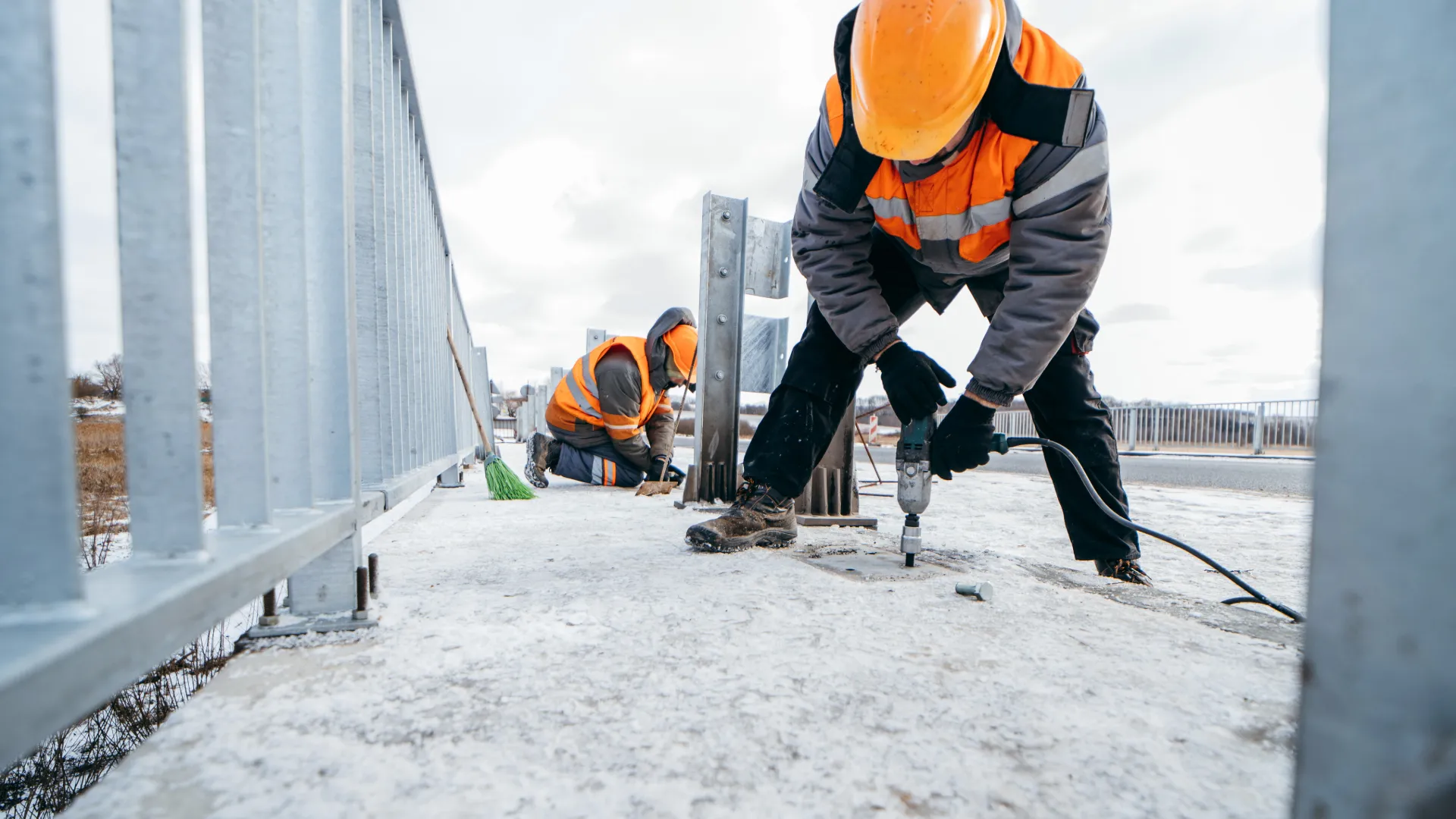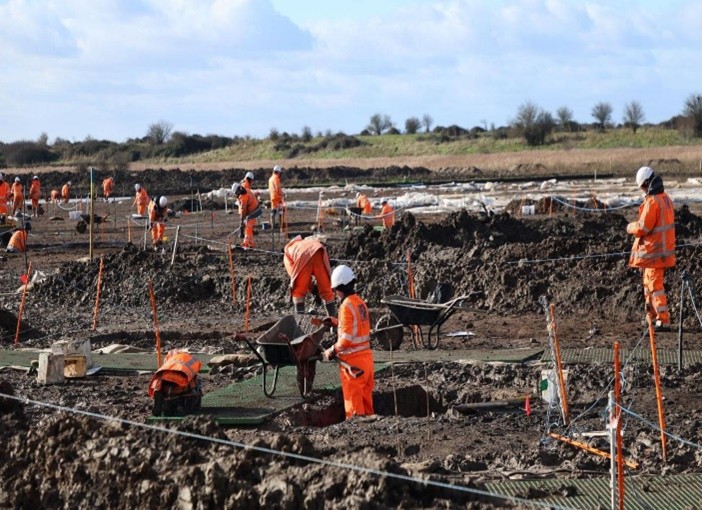
Waste, spills and dirty water are fairly ordinary things to deal with during construction work, but poor management can quickly create an environmental problem. Fuel can leak from plant, loose materials can be washed across the site during heavy rain, and contaminated water may find its way towards surface drains or nearby land.
The risks will not necessarily stay the same from the first day of a project to the last. Storage areas get moved, different trades come onto site, and the ground itself can change considerably after a spell of wet weather. Environmental arrangements need to reflect what is actually happening on site at the time, particularly where there is a risk of pollution leaving the site boundary.
This blog looks at some of the environmental risks that can arise during construction work, with practical guidance on managing waste, spills and pollution on site.
Managing Waste Safely & Responsibly
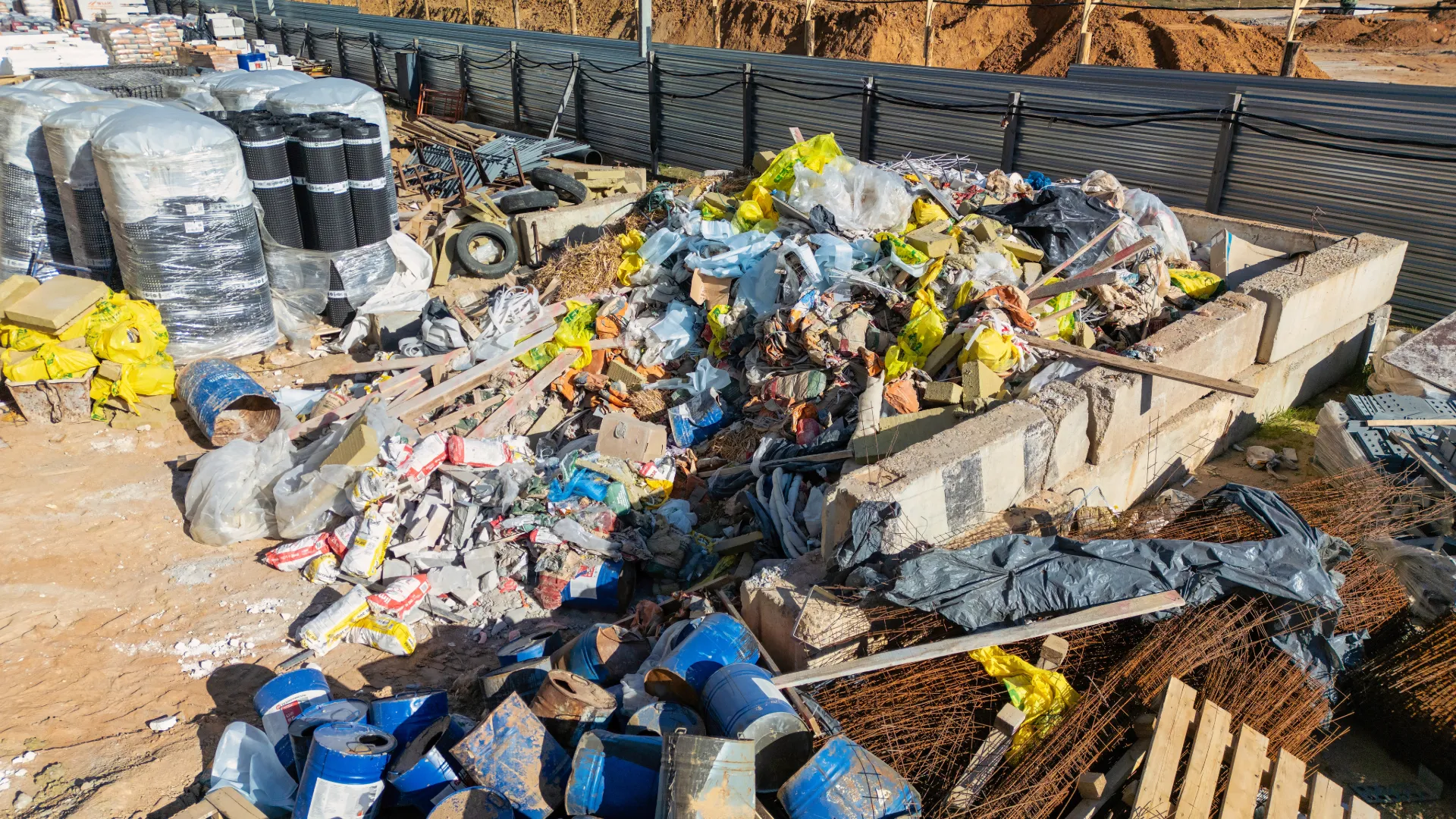
Waste can accumulate quickly as work moves through different stages of a construction project. Timber offcuts, packaging, plasterboard, scrap metal and rubble may all need dealing with, sometimes in fairly large quantities. Leaving these materials loose or allowing skips to become overloaded increases the chance of waste being blown, washed or carried away from the site.
Separating waste makes sense where the type and quantity of material allows it. Skips and containers should be suitable for what is being put into them and positioned somewhere they can be used without creating another problem. They also need checking. An overflowing skip or waste left piled alongside it is a sign that collection arrangements may need changing.
Businesses in England and Wales have a duty of care for the waste they produce. Waste should be kept secure and passed to authorised carriers and facilities, with the correct documentation completed when it changes hands.
Regular checks of waste areas can pick up problems before they become harder to manage. This is particularly useful as the project develops and the amount or type of waste being produced changes.
Preventing and Managing Spills on Site
Fuel, oils, paints and other liquids are regularly stored or used during construction work. Even a relatively small leak can become difficult to contain if it reaches a drain, so storage and handling arrangements need some thought before these materials arrive on site.
Containers should be suitable for what they hold, clearly identified and kept somewhere they are unlikely to be damaged by plant, vehicles or other site activity. Regular checks can help pick up leaking containers or damaged storage areas. Refuelling also needs attention, particularly where bowsers or fuel containers are being moved around as work progresses.
Spill kits need to be kept somewhere workers can get to them quickly. People working with fuels, chemicals or other potentially polluting materials should also know what to do if something is knocked over or starts leaking, including how the incident should be reported.
Potentially polluting work should take place in an area where a spill or contaminated run-off can be contained. This is particularly relevant during activities such as refuelling or working with concrete, where contaminated liquid could otherwise spread across the site or enter nearby drainage.
Protecting Water and Drainage Systems from Pollution
Water moving around a construction site can pick up soil, silt and residues from the work taking place. Problems can arise if that water then reaches drains or moves beyond the site boundary, particularly where fuels, oils or concrete-related materials are also being used nearby.
Water collected in excavations is another area that needs attention. Before it is pumped elsewhere, its condition and where it will end up should be considered. The same applies to run-off after rainfall, which can carry loose material across the site and towards drainage points.
Site drainage should be considered when deciding where potentially polluting activities will take place. Fuel storage, refuelling and work involving concrete can be positioned with the surrounding ground and drainage in mind. Conditions may change during the project too, so arrangements that worked earlier in the job may need reviewing as access routes, excavations and working areas move.
Controlling Run-Off, Silt and Other Site Pollution
Heavy rain can quickly change conditions on exposed ground. Soil and sediment may be carried across the site with the water, while vehicles moving between muddy areas and public roads can bring material with them on their tyres.
Stockpiles of soil, sand and aggregates need some thought too. Their location and how they are stored can affect how easily loose material is carried away during wet or windy weather. Dust may become more noticeable during dry spells, particularly where ground is being disturbed or materials are being moved.
Run-off can also pick up dirt and residues as it moves across working areas. Drainage points and the direction water is likely to travel are worth considering when deciding where materials are stored and where certain activities take place.
Conditions will change with the weather and as work progresses. An area that caused few problems earlier in the project may behave very differently after several days of rain, so stockpiles, access routes and areas of exposed ground are worth checking as site conditions change.
Planning for Environmental Incidents
Potential sources of pollution are best considered before work starts in an area. This might affect where fuels or other liquids are stored, where spill equipment is kept and how often containers or storage areas are checked for damage.
Site drainage is worth considering as part of these arrangements. Knowing where drains are located and understanding the site’s drainage layout can inform decisions about storage areas and work that could produce contaminated water. Spill equipment should also be somewhere workers can reach without having to search for it during an incident.
Workers need clear instructions on what to do if a spill, leak or other environmental incident is discovered. This includes knowing who it should be reported to and what site procedures are already in place for dealing with it.
Arrangements may need changing as the project develops. Storage areas move, new work starts and drainage or access arrangements can alter, so environmental controls should be checked against what is actually happening on site rather than simply left as they were at the beginning of the job.
Conclusion
Environmental risks rarely stay the same for the full length of a construction project. The work changes, materials are moved and weather can affect ground conditions with very little notice. Waste arrangements, storage areas and pollution controls are therefore worth checking as the job develops, rather than assuming the measures put in place at the start will remain suitable.
Managing these risks comes down to paying attention to what is happening on site and dealing with potential problems before they spread beyond the working area.
If you need help reviewing health and safety arrangements on a construction project, get in touch with Hurst Setter to discuss the support available.
Speak with our Safety Experts