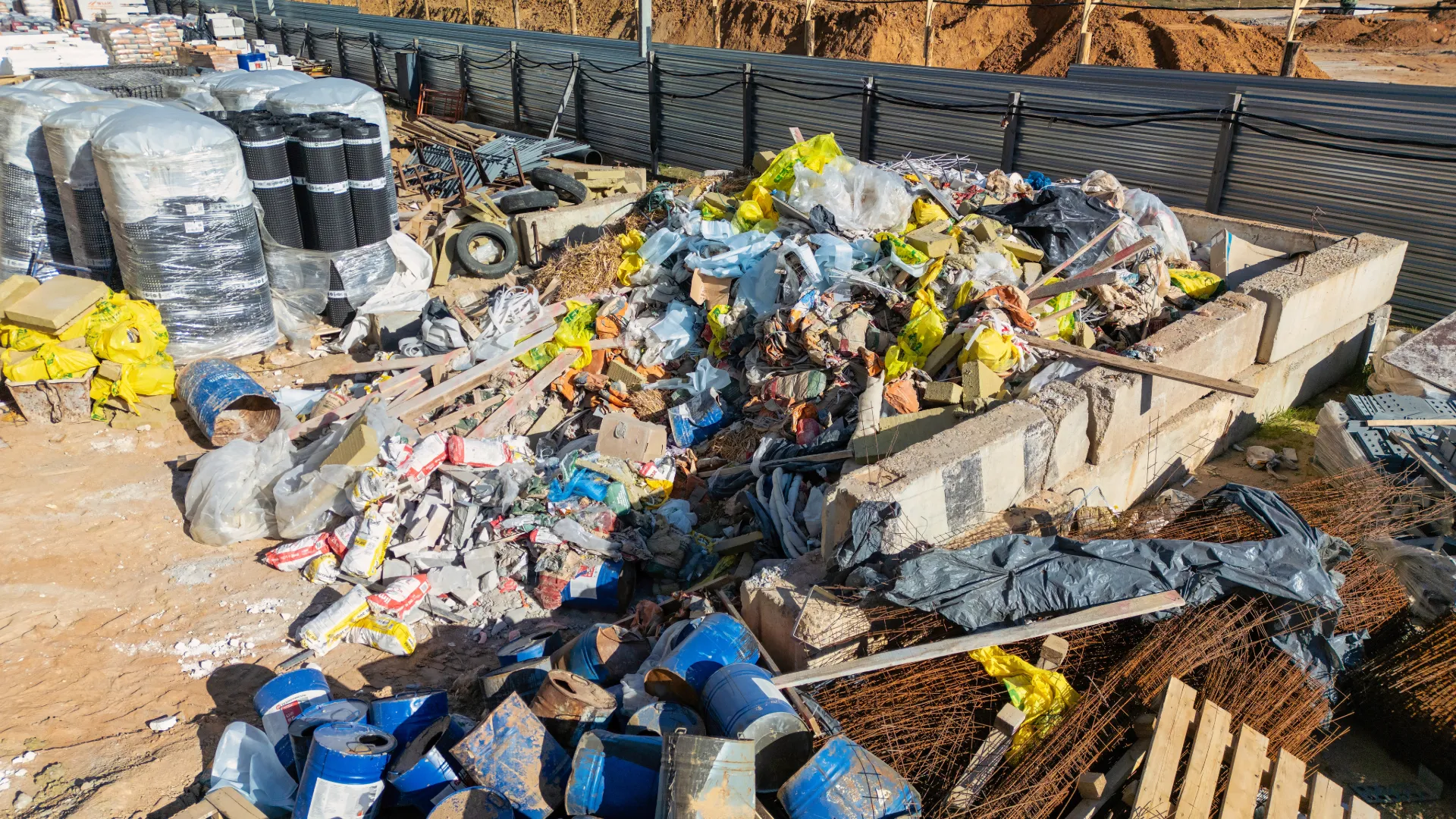
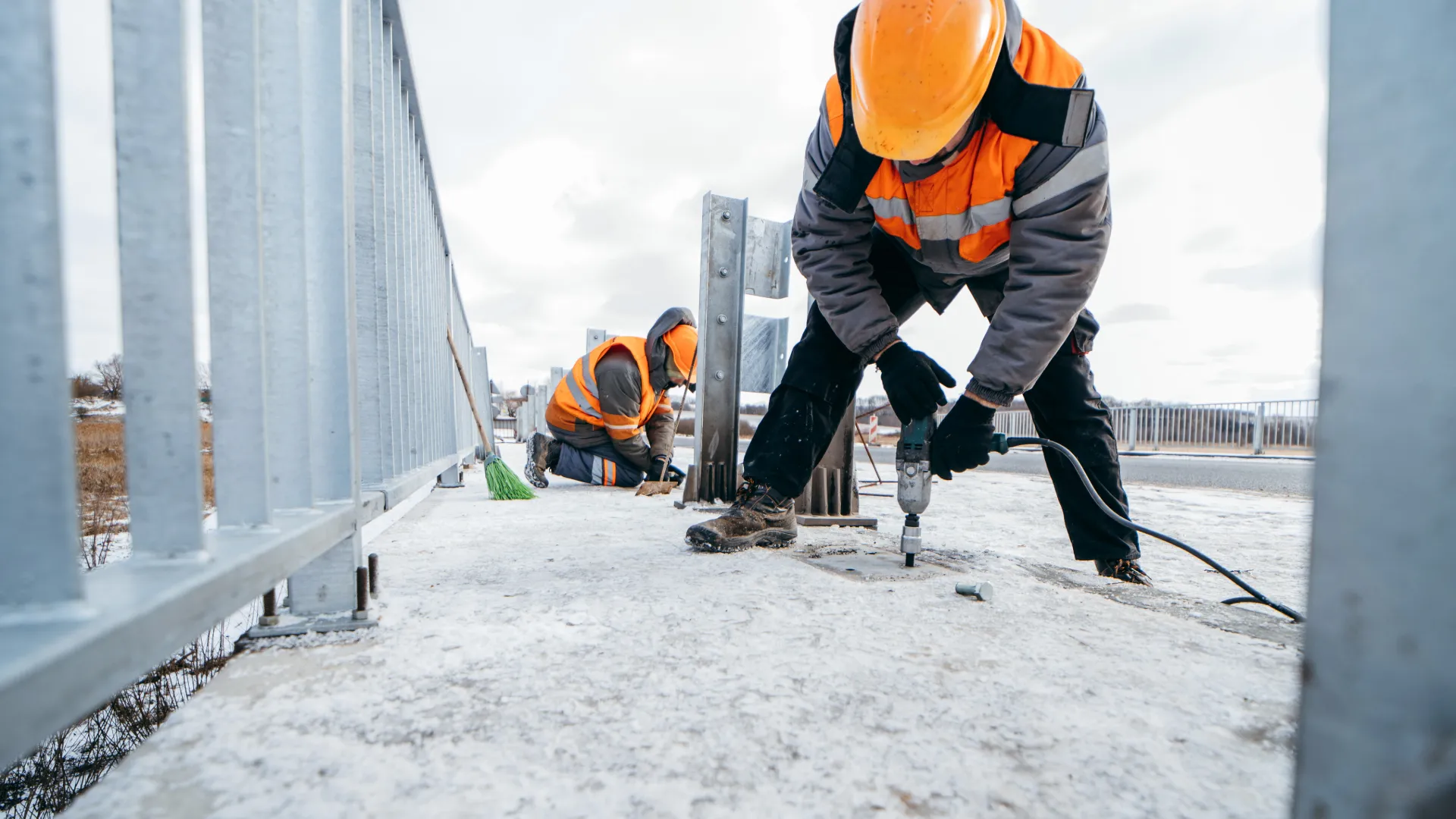
Changing Conditions Change the Risk
Autumn does not create new construction hazards. It changes the conditions in which familiar activities are carried out.
A pedestrian route that was safe yesterday may become muddy, slippery or poorly lit after rain. A plant route that was firm in dry weather may become soft, rutted or difficult to control. An excavation that appeared stable can be affected by water ingress, ground movement or changing loads at its edge. A routine roof, scaffold or ladder task can become unsafe when wind, rain or poor visibility develops.
The key message for October is simple – Changing conditions must trigger a review of the work. Supervisors should check the weather forecast as part of daily planning, inspect the site before work starts and review the planned controls whenever rain, wind, reduced daylight or deteriorating ground conditions introduce a new or increased risk. It is not enough to continue with the original RAMS if the conditions under which it was prepared have changed.
The response may be straightforward: clear mud from a walkway, improve lighting, pump out water, alter a delivery route or reinforce a barrier. In other situations, the correct decision may be to change the sequence of work, delay an activity or stop work until conditions improve.
Autumn planning should consider:
- Wet and slippery access routes, stairs, ramps and working platforms.
- Mud transferred from plant routes onto pedestrian walkways.
- Reduced daylight at the start and end of the working day.
- Wind and rain affecting work at height, lifting operations and temporary works.
- Water ingress and changing ground conditions around excavations.
- Reduced plant visibility and longer stopping distances on wet or soft ground.
- Loose materials, temporary coverings and site fencing affected by strong winds.
- Suitable waterproof clothing, gloves and footwear that still allow people to work safely.
The safest sites make these checks routine. Weather is not an excuse for poor standards—it is a predictable condition that needs planning, supervision and timely action.
Slips, Trips and Safe Access
Slips and trips are often dismissed as minor incidents, but they can lead to serious injuries, particularly when they occur on stairs, ramps, scaffold access, near excavations or in vehicle areas. Wet weather and shorter days make the risk more likely.
HSE guidance highlights a number of common issues that should be identified during workplace inspections: wet or contaminated surfaces, uneven ground, poor lighting, obstacles in walkways and changes in surface level.
On a construction site, mud and water rarely stay where they first appear. Plant can carry mud from haul roads onto walkways. Rainwater can collect in low spots, at thresholds or on temporary ramps. Materials, hoses, cables and offcuts can become much harder to see in poor light or when people are concentrating on avoiding puddles.
Good housekeeping is one of the most effective controls. Walkways, stairs, landings, access ramps and welfare routes should be kept clear throughout the day—not just tidied at the end of a shift.

Supervisors should make sure that:
- Pedestrian routes are firm, clear and suitable for the expected level of use.
- Mud, standing water and loose material are removed promptly.
- Drainage channels, gullies and temporary drainage arrangements are kept clear.
- Temporary ramps, steps and access routes are stable and have suitable grip.
- Hoses, leads and cables are routed away from walkways or protected where crossing is unavoidable.
- Changes in level, uneven surfaces and trip hazards are clearly identified.
- Lighting is adequate at entrances, walkways, stairs, welfare areas, crossings and work areas.
- Footwear is suitable for wet and muddy conditions and has adequate sole grip.
- Warning signs are used where necessary but are not relied upon instead of fixing the underlying issue.
Site Scenario – When a Slip Risk Becomes a Vehicle Risk
Following overnight rain, mud was carried from a haul road onto the designated pedestrian walkway. Water collected at the bottom of a temporary ramp and the surface became slippery. Workers began using the adjacent vehicle route because it appeared easier to walk along.
The immediate risk was a slip. The greater risk, however, was that pedestrians had moved into an active plant route.
The correct response was to stop pedestrian access through the affected area, clean and reinstate the walkway, improve drainage and review the measures preventing mud from being carried across the site.
The lesson is clear: blocked, muddy or inconvenient pedestrian routes can quickly undermine vehicle–pedestrian segregation arrangements.
Work at Height in Autumn Conditions
Autumn weather can significantly affect work at height. Rain can make scaffold boards, ladders, roof surfaces and access routes slippery. Wind can affect a person’s balance, dislodge materials and make sheets, boards and tools difficult to control. Reduced visibility can make it harder to identify edges, openings and changes in level.
The work-at-height hierarchy remains the starting point:
- Avoid work at height where it is reasonably practicable to do so.
- Where work at height cannot be avoided, prevent falls using suitable equipment and collective protection.
- Where falls cannot be prevented, minimise the distance and consequences of a fall and ensure there is a suitable rescue arrangement.
Weather conditions must be considered before work starts and monitored while work continues. A task that was safe during calm, dry conditions may not remain safe in rain, high winds, fog or poor visibility. Supervisors should be clear about when activities will be postponed and should not allow programme pressure to override safe working limits.
Roof work requires particular caution. Rooflights, fibre-cement sheets, corroded metal sheeting and other uncertain surfaces may be fragile. A roof should be treated as fragile unless a competent person has confirmed its condition and load-bearing capacity. Roof ladders alone do not make a fragile roof safe, and suitable covers, platforms, barriers or other protection may still be needed.
Scaffolds also need attention following adverse weather. A competent person should inspect a scaffold before first use, at least every seven days, and after an event likely to have affected its strength or stability, such as high winds, heavy rain, impact damage or alteration.
Supervisors should check:

- Are wind, rain and visibility within the limits set by the equipment manufacturer and the safe system of work?
- Are ladder rungs, scaffold boards, access routes and roof surfaces dry enough to provide safe footing?
- Are guardrails, toe boards, ties, sheeting and temporary coverings secure?
- Have loose tools, materials and waste been removed or secured?
- Has any scaffold, tower or temporary work been inspected after adverse weather?
- Are workers clear that they can stop work if conditions become unsafe?
No one should go onto a roof, scaffold, ladder or elevated work area simply because the work is programmed for that day. If the surface is slippery, the wind is affecting balance or materials cannot be controlled, the work
should be postponed.
Excavations, Ground Conditions and Water

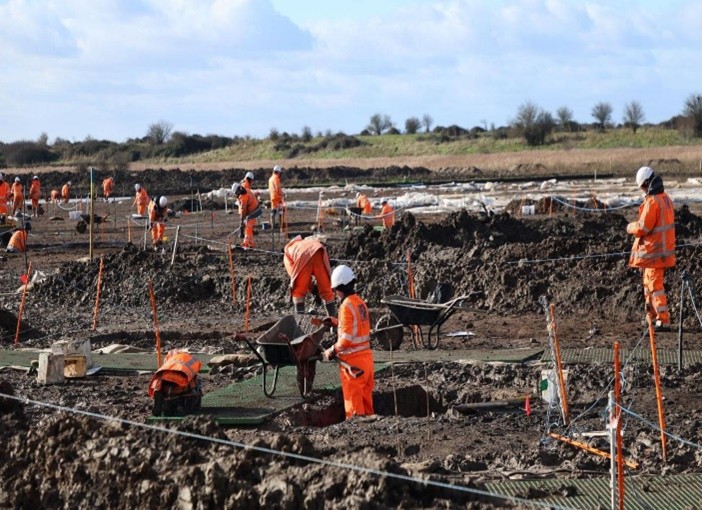
Rainfall can rapidly change ground conditions. Water entering an excavation can soften soil, increase pressure on excavation faces, undermine access routes and make the base unstable. Surface-water run-off can also wash material into the excavation or cause local erosion around the edge.
Excavations must be inspected by a competent person before the start of each shift where people are working in them, following any event likely to have affected their strength or stability, and at intervals not exceeding seven days. Heavy rain, flooding, nearby vibration, changes in surcharge loading and evidence of ground movement should all trigger a reassessment.
A written record is required for excavations over two metres deep, but good practice is to record significant checks, findings and corrective actions for all excavations where conditions may affect safety.
Before anyone enters an excavation after rain, supervisors should check for:
- Water ingress, flooding or pooling at the base.
- Cracks, bulging, slumping or movement in excavation faces.
- Damaged, displaced or undermined shoring, trench boxes or other support systems.
- Softened ground at the excavation edge.
- Spoil piles, materials or plant positioned too close to the edge.
- Damage to barriers, edge protection, access ladders or stair units.
- Changes to adjacent structures, roads, footpaths or services.


Water should be controlled before entry. Pumping out an excavation does not automatically make it safe: the competent person must reassess the effect that water has had on the ground and support arrangements before work restarts.
Plant, vehicles, materials and spoil heaps must be kept at a safe distance from excavation edges. Their weight can create surcharge loading, which may contribute to instability or collapse. Routes near excavations should be reviewed in wet weather, particularly where ground is soft, rutted or at risk of erosion.
Use this check during daily inspections and following significant changes in weather.
- Has the weather forecast been considered during the morning briefing?
- Have wet-weather risks been reviewed for today’s planned activities?
- Are pedestrian routes clear, adequately drained and free from mud, water and loose materials?
- Are stairs, ramps, ladders and access points stable and providing safe grip?
- Is lighting adequate at site entrances, walkways, crossings, welfare areas and work locations?
- Have temporary coverings, hoarding, fencing and stored materials been checked after high winds?
- Have scaffolds, towers, roof-access arrangements and work platforms been inspected where adverse weather may have affected them?
- Are work-at-height activities being postponed where rain, wind, poor visibility or slippery surfaces make the work unsafe?
- Have excavations been checked for water ingress, ground movement, damaged support systems and unsafe access?
- Are spoil piles, stored materials and plant kept away from excavation edges?
- Are plant routes firm enough for safe vehicle movement and clear of excessive mud or standing water?
- Are waterproof PPE, gloves and safety footwear suitable and serviceable?
- Have workers been reminded to report changing conditions, defects and unsafe access routes immediately?
Stop and Reassess
Stop work and review the controls when:
 Heavy rain, strong winds, lightning, fog or poor visibility affect the planned activity.
- A roof, scaffold, ladder, platform or access route becomes slippery.
- Wind affects a worker’s balance or makes materials difficult to control.
- A pedestrian route becomes blocked, muddy, flooded or unsafe.
- Water enters an excavation or there are signs of cracking, slumping, movement or instability.
- Temporary barriers, fencing, sheeting or coverings become loose or damaged.
- Vehicle routes become soft, rutted, congested or unsuitable for the plant using them.
- Lighting is insufficient for people to see hazards, edges, routes or moving vehicles.
- The conditions differ materially from those considered in the original risk assessment or method statement.
Autumn conditions are manageable when they are anticipated. Good sites do not simply react after an incident or near miss—they inspect early, maintain access routes, review changing risks and stop unsafe work before conditions lead to harm.
Case Study – Scaffold tower overturned in windy conditions

A London construction company and its sole director were prosecuted after a tower scaffold fell onto two members of the public on a busy high street in south-west London.
The tower scaffold had been fitted with sheeting. During windy conditions, the sheeting acted like a sail, creating additional wind loading and causing the tower to overturn. Two members of the public were injured.
HSE’s investigation found that the scaffold had not been adequately secured and that the risks associated with the temporary structure had not been properly controlled. Add Prop Limited was convicted of breaching Regulation 19(2)(a) of the Construction (Design and Management) Regulations 2015. The company was fined £20,000 and ordered to pay £7,000 in costs. Its sole director was also convicted under Section 37 of the Health and Safety at Work etc. Act 1974, receiving a £1,730 fine and being ordered to pay £1,730 in costs.
What this means for sites
The incident demonstrates why weather must be included in day-to-day site planning. Adding sheeting, signage, banners or temporary coverings to scaffolding and hoarding can significantly change how the structure behaves in wind. An arrangement that appears stable in calm conditions may become unsafe when gusts develop.
Before adverse weather, site teams should check that:
- Scaffold sheeting, netting, banners and temporary coverings have been considered in the design and securing arrangements.
- Temporary structures, including tower scaffolds, fencing, hoarding and welfare units, are suitably tied, weighted, braced or otherwise secured.
- Loose materials, boards, signs and waste have been removed or restrained.
- Weather forecasts are reviewed before work starts and again where conditions change.
- Work at height is postponed where wind, rain or visibility makes access or handling materials unsafe.
- Any scaffold or temporary arrangement affected by high winds is inspected by a competent person before it is returned to use.
The important lesson is that wind loading is not just a concern for cranes and roof work. It can affect any temporary structure, particularly where sheeting or other large, exposed surfaces are fitted.
Speak with our Safety Experts