A lot of information can already exist about a construction project before work begins on site. Drawings, surveys and details about the existing site may all be available, but that information needs to be useful to the people planning the work.
Pre-construction information brings relevant details together during the earlier stages of a project. Getting this right can give those involved a better understanding of the site and the work being proposed before decisions are made about how the project will go ahead.
What is Pre-Construction Information
Pre-construction information is the information already available, or that can reasonably be obtained, about a project before construction work gets underway. Under CDM 2015, it should be relevant to the work being planned and detailed enough for the risks involved.
It can cover the project itself, the site and any existing health and safety information that may affect the work. The amount needed will naturally differ between projects. Work on an existing building, for example, may come with previous surveys, drawings or records that could be useful during the planning and design stages.
The purpose is to give the people involved in planning the project information they can actually use. Rather than treating it as another bundle of paperwork, the focus should be on details that have a bearing on the work ahead.
What Information Might Be Included?
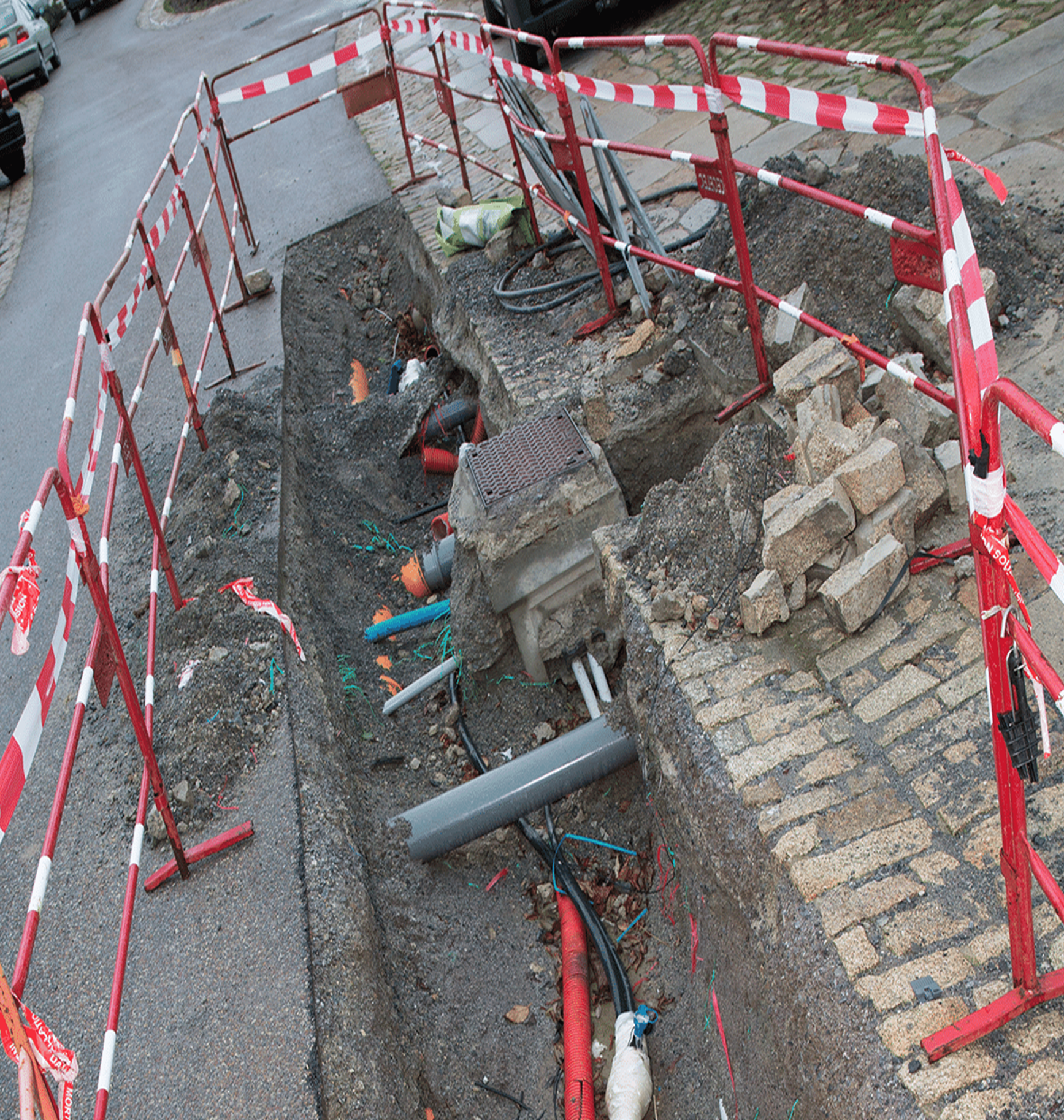
The information needed will depend on the project and the site involved. On an existing building, there may already be drawings, surveys or records from previous work. Details about existing services, asbestos or the condition of the structure could also be relevant depending on what work is planned.
Site information may cover access, neighbouring properties or areas where construction activity will be restricted. Ground conditions and information about existing structures can become particularly relevant where excavation or structural work is being considered.
Not everything held about a site will necessarily be useful. The information provided should relate to the project and give those planning or designing the work something meaningful to work with, rather than simply passing on every document available.
Why Does Pre-Construction Information Matter?
Decisions made before construction begins can affect how the work is designed, planned and eventually carried out. Having relevant information available at this stage means known site conditions and existing risks can be considered while those decisions are still being made.
Problems can arise when important details only come to light later. An existing service, restricted access point or feature of the building may affect how a particular part of the work was originally intended to go ahead. Finding this out early gives the people planning the project more time to consider what needs to change.
Good pre-construction information gives everyone involved a clearer starting point. It reduces the chance of important details being overlooked simply because they were unavailable or had not been passed on.
Getting the Right Information to the Right People
Pre-construction information is only useful if it reaches the people who need it. Designers and contractors may need different details depending on their involvement in the project, so simply storing everything together in a project folder isn’t enough.
The information also needs to be clear and relevant to the work being planned. A lengthy set of documents can make useful details harder to find, particularly if older drawings or reports are mixed in with current information. Passing on what is relevant gives those involved a better chance of spotting anything that could affect their part of the work.
Communication matters as the project develops too. If new information becomes available, the people affected by it need to know rather than continuing to work from information that is no longer current.
What Happens If Information Is Missing or Changes?
There will be projects where some of the information simply isn’t available at the start. This is often the case with existing or older buildings, where drawings and records may be incomplete or no longer match what is actually there.
Further details might then be picked up through surveys or as planning moves forward. Changes to the design can have a similar effect, particularly if they introduce work in an area that wasn’t part of the original plan.
Where relevant information is missing, further investigation may be needed before decisions are made about that part of the work.
Pre-Construction Planning with Hurst Setter
There can be quite a bit to sort through before construction work begins, particularly where information has come from different surveys, drawings or previous records. Knowing what is relevant to the proposed work, and spotting where something is still missing, is part of getting the project ready to move forward.
Hurst Setter provides CDM support and can assist with the planning and documentation involved before construction starts. This gives businesses somewhere to turn if they need help working through what is already available and what still needs attention.
For help with the pre-construction stages of a project, get in touch with Hurst Setter.
Speak with our Safety Experts