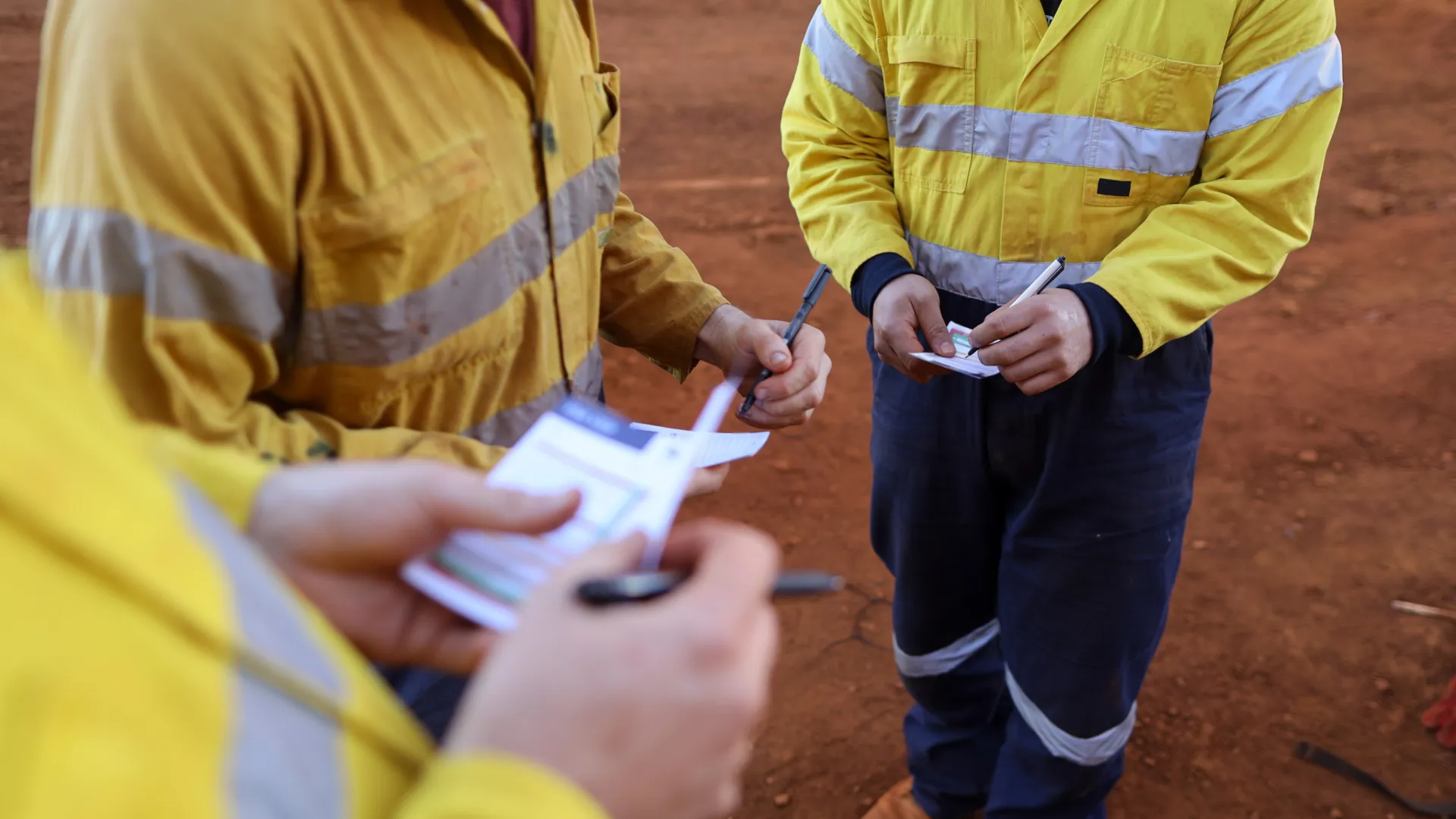
Planning, Locating and Safe Digging: Putting HSG47 into Practice
Underground service strikes can have consequences far beyond a damaged cable or interrupted programme. Damage to electrical cables can cause electric shock, electrical arcing and flames, resulting in fatal injuries or severe burns—even where protective clothing is worn. Previously damaged cables that have been left unreported and unrepaired can also cause incidents.
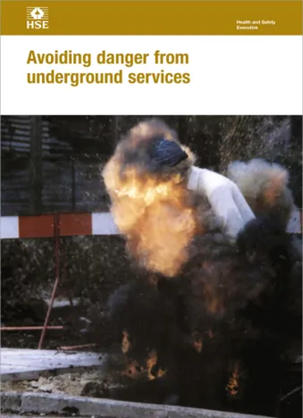
HSE’s guidance, Avoiding danger from underground services, is relevant to everyone involved in commissioning, planning, managing and carrying out work on or near buried services. Avoiding a strike is not simply the excavator operator’s responsibility: it depends on the information, decisions and controls put in place before and during the work.
HSG47 identifies three basic elements of a safe system of work:
- Planning the work.
- Locating and identifying buried services.
- Safe excavation.
These elements must work together. A drawing cannot confirm the exact position of a service. A locator cannot replace competent interpretation and careful excavation. A permit cannot make an inadequately planned operation safe.
The central message is verification: use available information to establish what may be present, locate and mark services, and confirm their position through a suitable excavation method before proceeding.
Planning the Work – Information Before Excavation
Safe excavation starts before anyone breaks ground. Plans or other suitable information about all buried services in the work area should be obtained and reviewed before excavation begins. Risk assessments must consider how the work will be carried out and take account of local circumstances.
The information provided must cover the actual work area, not simply the wider development. Supervisors should check that the proposed excavation, drilling, breaking or other ground disturbance is understood and that the information available is relevant to that location.
Service plans are a starting point, not proof of an exact position. HSE states that plans provide only an indication of the location and number of underground services. They must be supported by competent tracing using suitable locating equipment.
Electrical service information may also come from more than one owner. Although many cables belong to the local Distribution Network Operator, others may belong to organisations such as the highways authority, Network Rail or private owners. High-voltage and low-voltage cables may be shown on separate plans, and symbols can vary between utilities.
Questions to Resolve Before Work Starts
- What ground disturbance is proposed, and where will it take place?
- Have relevant service plans and other available records been obtained?
- Are the plans understood, including their symbols and limitations?
- Are private or site-owned services included in the information?
- Who will locate services, and are they competent to use the equipment?
- How will service positions be confirmed?
- What excavation method will be used?
- What will the team do if the information does not match the site findings?
- Is consultation with the service owner or secure isolation needed?
These questions turn the information-gathering stage into a practical work plan. Where a service cannot be located confidently, the uncertainty needs resolving rather than being passed to the operator to “dig carefully.”
In some situations, making an electrical service dead may be necessary before work can proceed safely. This requires planning with the relevant owner; HSE notes that electricity companies generally need to give customers five days’ notice of a supply disconnection.
Emergency work does not remove the need for precautions. If plans and other information cannot be obtained, HSE advises carrying out the work as though live buried services are present.
Locating and Identifying – More Than a Single Scan
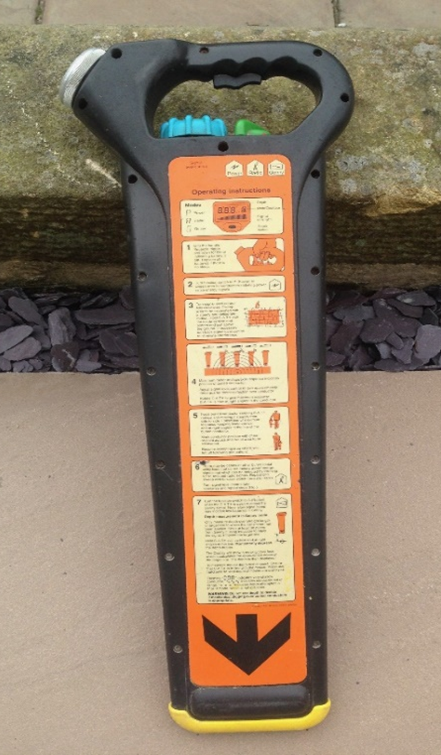
Service locating is a skilled activity. HSE requires people using locating equipment to receive thorough training in its use and limitations. Equipment must be used according to the manufacturer’s instructions, regularly checked and maintained in good working order.
A scan should be interpreted alongside the service plans and other available information. The purpose is to identify possible service routes accurately enough to inform how the work will proceed—not simply to demonstrate that a detector has been used.
Before work begins, underground electrical cables must be located, identified and clearly marked. Plans and other information should guide the search and help the competent person interpret the signals received.
From Survey to Site Briefing
The locating process should produce information the excavation team can understand and use. A practical briefing should explain:
- Which services have been identified.
- Where the detected routes have been marked.
- Which areas remain uncertain.
- Where service positions need confirming.
- What excavation methods and restrictions apply.
- When work must stop for further advice.
A statement such as “the area has been scanned” does not explain whether the survey covered the full work area, whether the results matched the drawings or whether unresolved uncertainties remain.
HSE specifically advises that locators should be used frequently and repeatedly during the work. Locating is therefore not a one-off activity completed before the excavator arrives: it continues as excavation progresses and additional information becomes available.
Do Not Identify Services by Appearance Alone
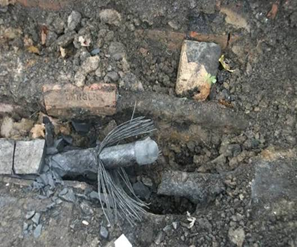
Underground electrical cables can look like pipes, and it is impossible to determine whether a cable is live simply by looking at it. An exposed or apparently redundant service must not be assumed safe on the basis of its colour, condition or appearance.
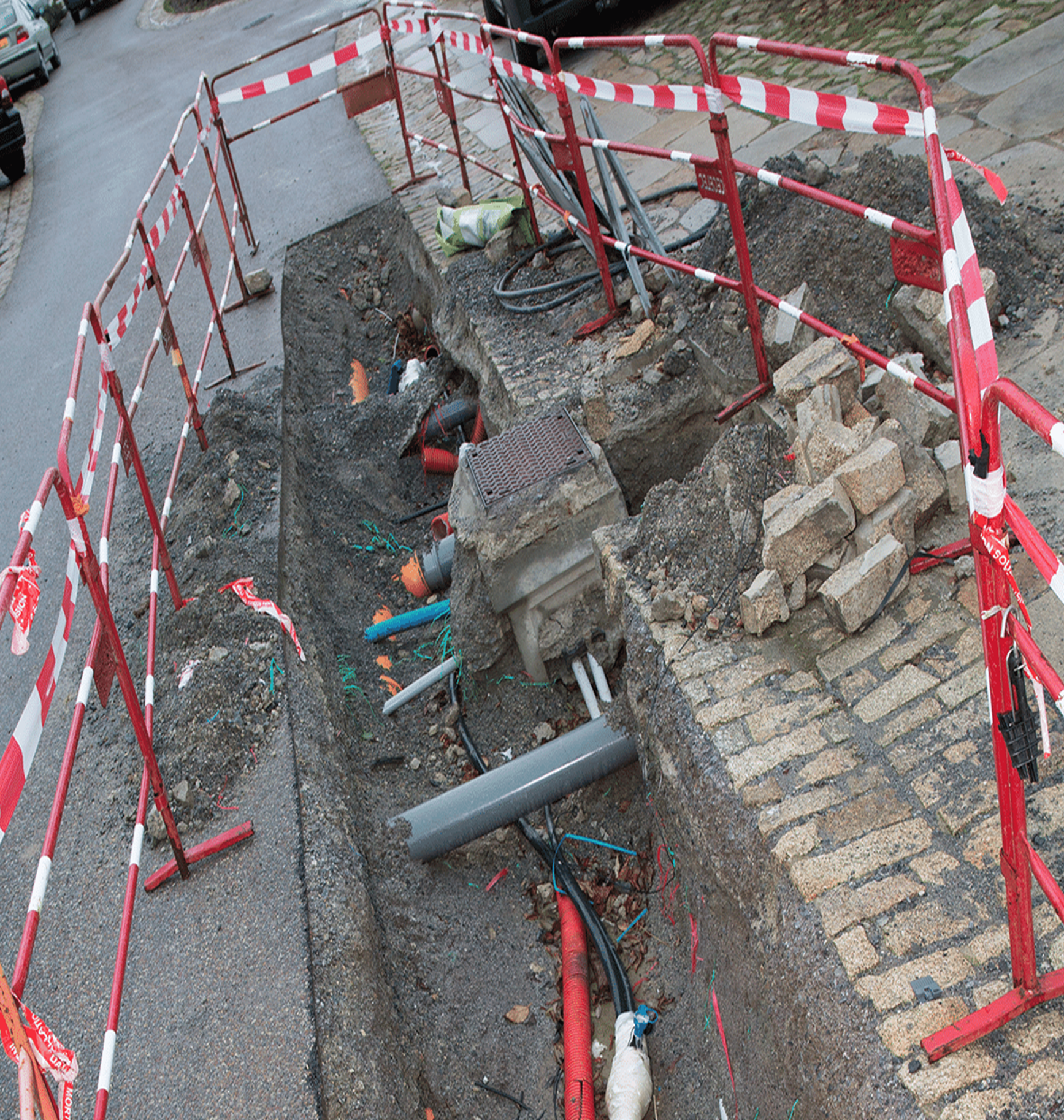
Where the findings differ from the plans, or an unidentified service is discovered, the method needs reviewing before work continues. The team should not remove, cut, move or disturb an unknown service merely because it obstructs the planned excavation.
Safe Excavation – Confirm Before Proceeding
Locating equipment helps establish where services may be present. Safe excavation is then needed to confirm their actual position and avoid damage.
HSE advises that, once a locator has established cable positions and routes, trial holes should be dug using suitable hand tools where necessary to confirm the findings. Excavation must be carried out carefully using recognised safe digging practices.
The excavation method should reflect the service information and the uncertainty that remains. It should not depend on an operator assuming that a cable is deeper than the bucket, that a pipe follows a straight line or that the drawing is exact.
Careful Exposure of Electrical Cables
HSE recommends excavating alongside a service rather than directly above it. Final exposure by horizontal digging is recommended because the force applied to hand tools can be controlled more effectively. Insulated tools should be used when hand digging near electrical cables.
Hand digging still requires care. HSE identifies both cutting by a sharp tool and crushing by a heavy object or powerful machine as ways in which cables can be damaged.
Suitable tools are therefore part of the safe system—not permission to use force indiscriminately. The team must understand the agreed technique, the likely service position and the conditions that require further advice.
Permit-to-Dig – A Control, Not a Guarantee
Where a permit-to-dig system is used, it should communicate the precautions required for the specific task. It should bring together the service information, locating results, excavation method, responsibilities and restrictions.
A useful permit review asks:
- Does the permit cover this exact location and activity?
- Does the team have access to the relevant plans?
- Are service markings visible and understood?
- Are trial holes and careful exposure included where needed?
- Are unresolved uncertainties clearly identified?
- Are the limits of the authorised work understood?
- Has anything changed since the permit was issued?
Signing a permit does not replace the three HSG47 elements. Planning, locating and safe excavation remain necessary throughout the work.
Unexpected Services and Suspected Damage
Ground conditions and buried infrastructure do not always match the information available. An unexpected service, a different alignment or an uncertain signal must be treated as new information that could affect the safe system of work.
HSE stresses that workers should be trained in what to do when a service is found during excavation. This is as important as training them to use the locating equipment or follow the digging method.
Stop and Seek Advice When:
- An unidentified service is exposed.
- A detected route does not match the plans.
- The team cannot confidently locate an expected service.
- The excavation moves beyond the surveyed or authorised area.
- Service markings are lost or no longer clear.
- The planned method cannot be followed safely.
- A service is contacted or suspected to have been damaged.
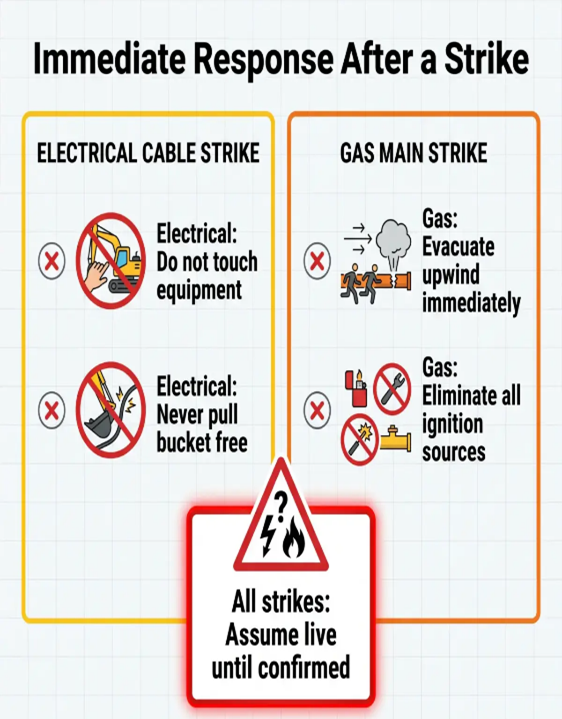
The practical response is to stop the affected activity, prevent further disturbance and notify the supervisor so that competent advice can be obtained. Electrical services must not be assumed safe because there has been no visible flash, loss of supply or immediate injury. HSE warns that damaged cables left unreported and unrepaired can cause later incidents.
Plan the Response Before the Job
The briefing should identify who to contact, how the affected area will be controlled and how service-owner advice will be obtained. Emergency arrangements should be appropriate to the services that may be present.
A damaged service must not be concealed, treated as an inconvenience or left for another trade to discover. Reporting suspected damage is part of protecting both the current workforce and anyone who may encounter that service later.
HSE Case Study – Cable Strike While Breaking Concrete
An employee was using a jackhammer to break concrete so that a gate post could be removed. The tool struck an underground 415-volt electrical cable, causing burns to the employee’s face.
HSE found that plans showing the cable location had not been used. The employee had also received inadequate information, instruction and training for working near live electrical cables. HSE noted that the injuries could have been much more serious.
The employer was prosecuted and fined for breaching Regulation 4(3) of the Electricity at Work Regulations 1989. HSE’s published account does not identify the employer, prosecution date or fine amount, so this should be presented as a published HSE case study rather than a recent named prosecution.
Lessons for Site Teams
The task involved breaking concrete to remove a gate post—not excavating a long trench. The incident demonstrates that buried-service precautions are relevant to apparently small ground-disturbance jobs as well as major excavation work.
HSE’s learning points were:
- Obtain service plans before undertaking excavation.
- Consider whether electrical or other supplies should be turned off where there is a risk of disturbance.
- Where supplies are turned off, ensure they are securely isolated for the duration of the work.
- Train workers in what to do when a service is found.
The task’s size does not determine the seriousness of the hazard. A small area of breaking or digging can still bring a tool into contact with a live service.
Supervisor Checklist – Before Ground Disturbance
- Has suitable service information been obtained and reviewed?
- Do the plans cover the actual work location?
- Has a competent person surveyed the area using suitable locating equipment?
- Are detected service routes clearly marked?
- Have discrepancies and uncertainties been resolved?
- Has the team been briefed on the services and agreed excavation method?
- Are trial holes and careful exposure included where needed?
- Are suitable tools available?
- Will locating checks continue as the work progresses?
- Does everyone know when to stop and whom to contact?
These checks support HSG47’s three elements: planning, locating and identifying, and safe excavation.
Toolbox Talk – Five Questions Before You Start
- What services could be present here?
- What do the plans and locating results tell us?
- How will we confirm their actual position?
- What are the limits of the agreed digging method?
- What will we do if we find something unexpected?
If the team cannot answer these questions, the briefing needs strengthening before work proceeds.
Service-strike prevention depends on more than a drawing, detector or signature. It requires reliable information, competent interpretation, controlled excavation and the willingness to stop when the findings do not match the plan.
Speak with our Safety Experts