How to prepare for Colder Conditions on UK Construction Sites
Winter can change the risks on a construction site quite quickly. Lower temperatures, ice, poor visibility, shorter daylight hours and severe weather can all affect how safely work can be carried out, while plant and equipment may also need extra attention as conditions worsen.
Preparing for colder weather means looking at how these changes could affect the work before they become a problem. Existing risk assessments may need reviewing, site housekeeping can become more important and decisions around PPE, working hours and vehicle maintenance may need to change as winter progresses.
In this blog, we’ll look at some of the risks that can increase during colder conditions and the practical steps construction businesses can take to keep sites and workers better protected throughout the winter months.
Risks that can increase during winter
Winter weather can change the conditions on a construction site from one day to the next. Ice, rain, lower temperatures, shorter daylight hours and strong winds can all introduce new risks or make existing ones harder to control. These changes need to be considered as part of the way work is planned, particularly where people are working outdoors or using plant and equipment.
Slips and Falls
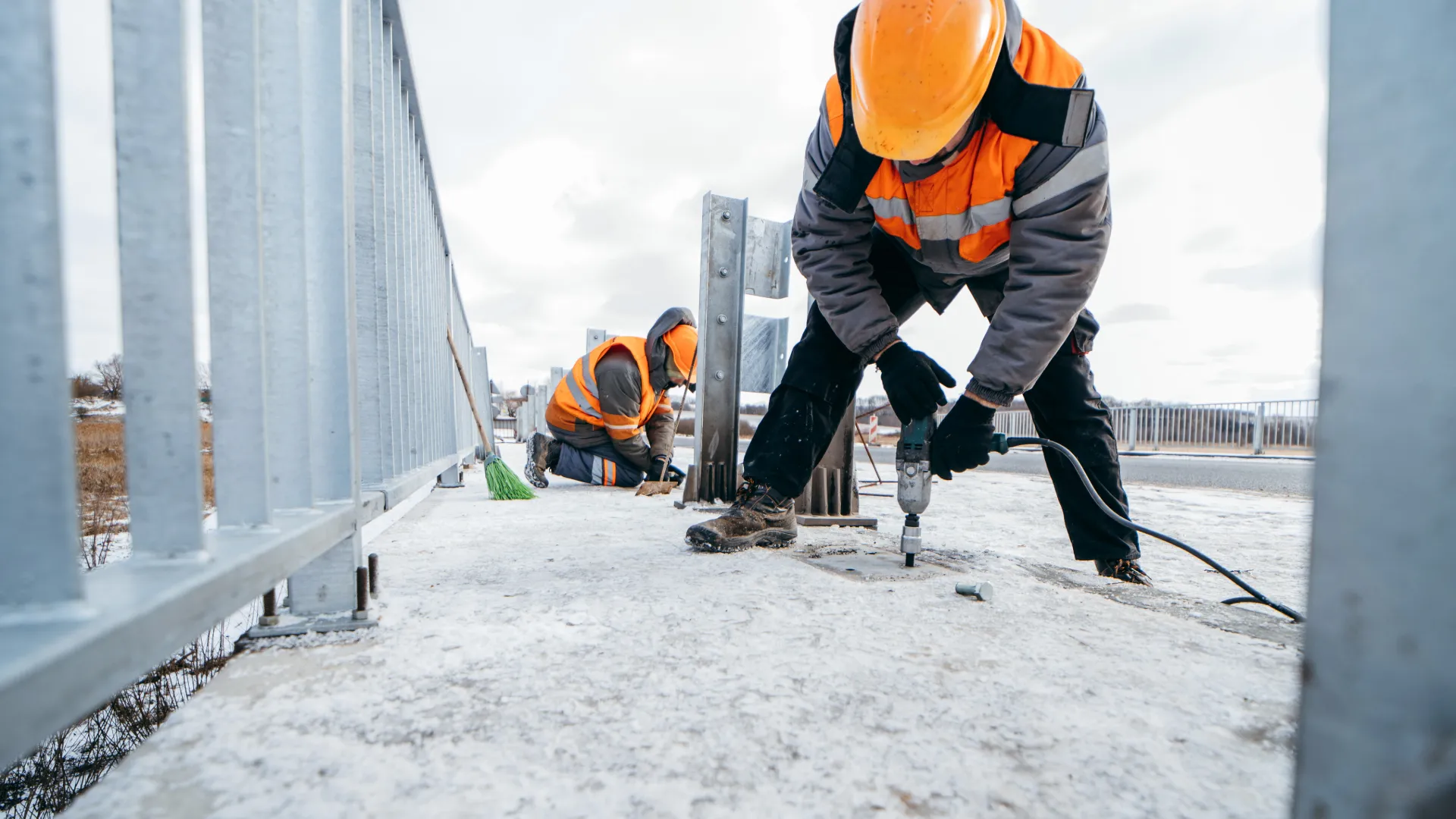
Ice, frost, snow and standing water can make walkways, access routes and working areas much more difficult to move around safely. HSE recommends dealing with slippery surfaces using measures such as grit for ice, suitable temporary coverings and clearly marked alternative routes where necessary. Good housekeeping also becomes particularly important when wet leaves, mud or stored materials make access more difficult.
Conditions can also affect work at height. HSE advises against going onto roofs in poor weather such as rain, ice, frost or strong winds where slippery or unstable conditions could put workers at risk.
Cold-Related Illnesses
Spending long periods working outdoors in low temperatures can affect a worker’s health as well as their ability to carry out tasks safely. HSE advises employers to consider appropriate protective clothing, opportunities for workers to warm up, more frequent rest breaks and whether certain work could be delayed until conditions improve.
Workers should also know how to recognise early signs that the cold is affecting them. The controls needed will depend on the temperature, exposure time, work being carried out and the level of physical activity involved.
Reduced Daylight
Shorter winter days mean some work may begin or finish when natural light is limited. Poor visibility can make hazards harder to spot, particularly around uneven ground, access routes, machinery and vehicle movements.
HSE states that construction sites should make use of natural light where possible, but suitable artificial lighting must be provided where this is not enough. Extra lighting may also be needed where shadows make hazards difficult to see, while emergency routes should remain adequately lit while workers are on site.
Equipment and Plant Vulnerability
Construction plant and equipment already operates in demanding environments, and winter can expose it to wetter, colder and harsher conditions. Equipment that is exposed to conditions that could cause deterioration may need more frequent inspection, based on the risks involved and the manufacturer’s recommendations.
Regular checks can help pick up defects before equipment is used. For site vehicles, this includes areas such as tyres, brakes, steering, lights, mirrors, windscreen wipers and warning devices. Any faults should be reported and dealt with rather than allowing damaged or unreliable equipment to remain in use.
Severe Weather
Winter conditions are not limited to cold temperatures. Heavy rain, strong winds, snow and ice can all affect whether work can continue safely.
Weather conditions should therefore be considered when planning the day’s work rather than assuming the original method can continue regardless. Strong winds may make some work at height unsafe, while heavy rain can affect visibility, surfaces and access around the site. Snow and ice may also mean routes need treating or temporarily closing until they can be used safely.
Where conditions make a task unsafe, work may need to be changed, postponed or stopped until suitable controls can be put in place.
Practical Steps for Dealing with Winter on Construction Sites
Preparing a construction site for winter does not necessarily mean introducing an entirely new set of procedures. In many cases, it means reviewing the controls already in place and considering whether colder temperatures, poor weather and reduced daylight have changed the risks. The response should reflect the site itself, the work taking place and the conditions workers are likely to face.
Review your Winter Risk Assessments
Risk assessments should be reviewed when changing conditions could affect how safely work can be carried out. During winter, this could mean considering icy access routes, poor visibility, exposure to cold, high winds or additional risks associated with wet ground and surfaces.
The controls may also need to change as conditions develop. A walkway that is normally safe may need gritting after a frost, while work at height may need to be delayed if weather conditions make it unsafe. Keeping an eye on forecasts can help site teams prepare before conditions deteriorate rather than reacting once the problem has already appeared.
Improve Construction Site Housekeeping
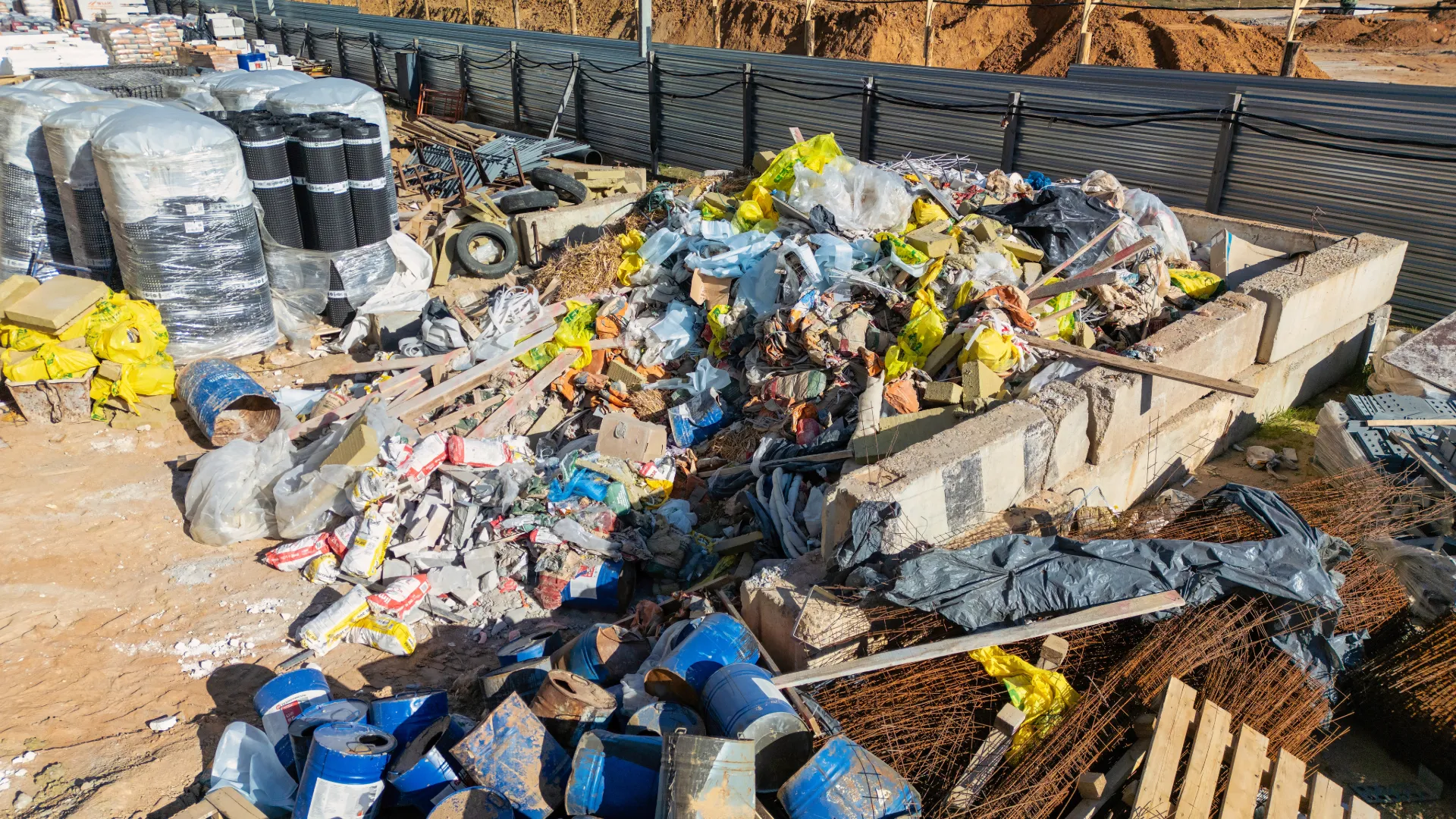
Good housekeeping matters throughout the year, but winter can make relatively small problems more hazardous. Mud, standing water, wet leaves, waste materials and poorly stored equipment can all make access routes more difficult to use when conditions are already wet or icy.
HSE guidance states that construction sites should be kept clean and orderly, with materials and waste managed so they do not create unnecessary hazards. During icy conditions, regularly used walkways may also need gritting, covering or temporarily diverting until they are safe to use again.
Review PPE and Clothing Usage
Workers spending long periods outside need clothing that is suitable for the conditions as well as the work they are carrying out. HSE advises employers to make sure PPE provided for outdoor work remains appropriate in cold weather.
Winter clothing should not interfere with the protective equipment needed for the task. Site teams may need to consider how waterproof or insulated clothing works alongside items such as high-visibility clothing, safety footwear, gloves, helmets and fall protection equipment. Wet clothing also needs somewhere suitable to dry so workers are not repeatedly returning to outdoor work in damp kit.
Adapt Work Schedules
Sometimes the safest response to poor winter conditions is to change when or how the work takes place. HSE suggests limiting exposure to cold through measures such as more frequent breaks, job rotation and allowing workers time to warm up. Where appropriate, outdoor work may also be delayed until conditions improve.
The weather can affect individual tasks differently, so decisions should be based on the work rather than applying the same rule across the whole site. Strong winds may stop one activity while allowing other work to continue safely, for example. Planning some flexibility into the programme gives site teams more options when the weather changes.
Maintain and adapt vehicles
Site vehicles should be kept in good working order throughout the year, but winter conditions can make defects in areas such as tyres, lights or windscreen wipers much more noticeable.
HSE recommends regular checks of tyres, brakes, steering, lights, mirrors, washers, wipers and warning devices, alongside planned preventative maintenance based on the manufacturer’s guidance. Drivers should also carry out appropriate checks before using vehicles and report any defects that need attention.
Winter site arrangements may need reviewing too. Vehicle routes can become muddy or icy, visibility may be reduced and pedestrians may be harder to see during darker mornings and afternoons. Keeping routes usable, lighting suitable and vehicles properly maintained can make a considerable difference when conditions deteriorate.
Speak with our Safety Experts