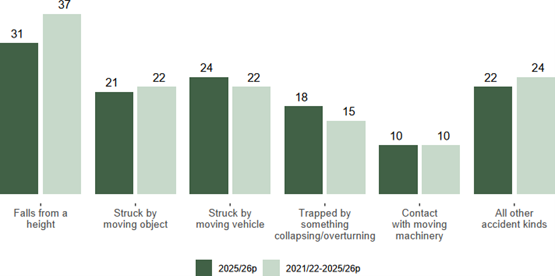
Working at height is still one of the biggest causes of serious injuries and fatalities in construction. It’s also one of those areas where the rules are quite clear, but the reality on-site doesn’t always line up perfectly with the paperwork.
Most people in the industry know the basics. Use edge protection, wear harnesses where needed, and don’t stand on the top step of a ladder. The Working at Height Regulations go further than that, and they place clear duties on employers, contractors, and anyone who controls the work.
What “Working at Height” Actually Means
A lot of people assume working at height only applies to scaffolding or roof work. It’s much broader.
If there’s a risk of a person falling and being injured, it’s likely covered. That can include work on roofs, scaffolds, ladders, MEWPs, formwork, fragile surfaces, or even working near excavations or openings in floors.
If a fall could hurt someone, the regulations probably apply.
The Main Duties Under the Regulations
The Working at Height Regulations require employers and those in control of work to prevent falls where reasonably practicable. If you can’t prevent a fall, you need to reduce the distance and consequences of any fall.
In practice, that usually means:
- Avoiding work at height where possible
- Using collective protection like guardrails and scaffolding
- Using personal protection like harnesses when collective measures aren’t feasible
- Making sure equipment is suitable and maintained
- Ensuring people are competent and trained
It’s a hierarchy, and inspectors tend to look for evidence that you’ve followed that thinking rather than jumping straight to PPE.
Planning the Work Properly
One of the key parts of the regulations is planning. Before anyone goes up, you’re expected to assess the risks and plan how the work will be done safely.
That might be a specific method statement for roof work, a lift plan for installing plant at height, or a scaffolding design and handover process. On smaller jobs, it might be simpler, but there should still be some thought put into how falls will be prevented.
We often see issues when programmes change, and high-level work gets rushed without the same level of planning as the original scope.
Scaffolding, Ladders, and Access Equipment
Scaffolding should be designed, erected, and inspected by competent people. There should be handover certificates and regular inspections, especially after alterations or adverse weather.
Ladders and step ladders are widely used, but they’re meant for short-duration, low-risk tasks. They need to be in good condition, secured where necessary, and used correctly. Standing on the top ring or overreaching is still one of the most common causes of falls.
MEWPs and other access platforms also fall under the regulations. Operators should be trained, equipment inspected, and ground conditions assessed. It’s not uncommon for issues to arise from poor ground or unexpected site conditions rather than the platform itself.
Fragile Surfaces and Openings
Fragile roofs, skylights, and floor openings are a recurring problem. people assume a surface is safe until it isn’t.
the regulations expect specific controls here, such as edge protection, covers, barriers, and clear signage. Where possible, work should be done from below a safe platform rather that directly on fragile materials.
On refurbished projects, this is particularly relevant, as existing structures aren’t always well documented.
Training, Competence and Supervision
The regulations make it clear that people working at height must be competent or supervised by someone who is. That includes operatives, supervisors, and anyone installing or inspecting access equipment.
Competence can come from training, experience, or a combination of both. Formal training like PASMA, IPAF, and scaffold inspection courses is common, but site-specific knowledge matters just as much.
Supervision is important too. Even experienced workers can get complacent, especially on repetitive tasks.
Inspections and Ongoing Checks
Equipment used for working at height needs regular inspection. Scaffolds typically require weekly inspections, and after significant events, ladders and harnesses should be checked before use, and MEWPs need through examinations.
Records matter. If something goes wrong, inspectors will usually ask to see inspection logs, handover certificated, and training records.
It’s not about paperwork for the sake of it. It’s about showing that controls were in place and monitored.
Common Issues We See on Sites
Most problems are quite basic. Missing guardrails, ladders used for tasks that should really have a platform, harnesses not clipped on, and incomplete inspections are all common.
Other issues in temporary fixes are becoming permanent. A gap left “for a day” stays open for weeks. A missing toe board doesn’t get replaces because no one owns the task.
These are the sorts of things the regulations are trying to prevent.
Getting Support with Working at Heights Compliance
For companies that don’t have dedicated health and safety teams, it can be difficult to keep on top of everything. Consultants like Hurst Setter support contractors with CDM duties, Construction Phase Plans, risk assessments, and site inspections, including working at height arrangements.
That kind of external support can help identify gaps before they become incidents or enforcement issues.
Final Thoughts
The Working at Height Regulations are not new, but they’re still very relevant. Falls from height remains one of the most serious risk in construction, and the controls are well understood.
Good planning, the right equipment, competent people, and regular inspections do most of the heavy lifting. When those basics are in place, working at height becomes a managed risk rather than a constant worry.
It’s not about wrapping the site in red tape. It’s about making sure everyone goes home in one piece at the end of the day.
Speak with our Safety Experts