Construction Phase Plans get mentioned a lot, especially when CDM comes up, but they’re often misunderstood. Some people see them as just another document to keep an auditor happy. Others treat them like a generic template to download, tweak the company name, and file.
In practice, a good Construction Phase Plan (CPP) is a working document. It should reflect how the site will run, not how someone thinks it ought to look in theory.
What a Construction Phase Plan is Meant to Do?
At its core, a Construction Phase Plan sets out how health and safety will be managed during the construction phase of a project. It’s required under CDM regulations and is something the principal contractor must prepare before work starts.
The key point is that it’s site-specific. A small refurbishment in a retail unit and a large new-build commercial site shouldn’t have identical plans, even if the same company is running both.
On real projects, the CPP is often the first thing a client, auditor, or HSE inspector will ask for. If it’s generic or clearly copied, that doesn’t tend to go down well.
Clear Project and Site Details
A solid CPP starts with the basics, but they need to be accurate. Project address, clinic details, key duty holders, site boundaries, and a description of the works.
It sounds obvious, but you’d be surprised how many plans still reference the wrong project name or scope. That’s usually a sign it’s been recycled for another job.
For more complex sites. It’s useful to include a simple site layout showing access points, welfare, storage areas, and traffic routes, It doesn’t need to be a CAD masterpiece, just something that reflects reality on the ground.
Roles, Responsibilities, and Communication
One of the most useful sections is the breakdown of who’s responsible for what. Principal contractors, site managers, supervisors, subcontractors, and any specialist roles should be clearly defined.
In most cases, the plan should also explain how information is shared. Site inductions, toolbox talks, coordination meetings, and reporting procedures all take place here.
On busy projects, poor communication is where things start to unravel, so this section shouldn’t be vague. It’s better to describe how things are done on your site, even if it’s a bit informal, than to paste in textbook wording.
Risk Management and Method Statements
This is where a lot of Construction Phase Plans fall short. A good plan explains how risks will be identified, assessed, and controlled during the work.
That usually links to RAMS, but the CPP should explain the overall approach. How subcontractors submit method statements, who reviews them, and how changes are managed as the project evolves.
On live sites, the risk profile change constantly. Demolition finishes, fit-out starts, new trades arrive. A decent plan acknowledges that and sets out a process for updating assessments rather than pretending everything is fixed from day one.
Welfare, Emergency Arrangements, and Site Rules
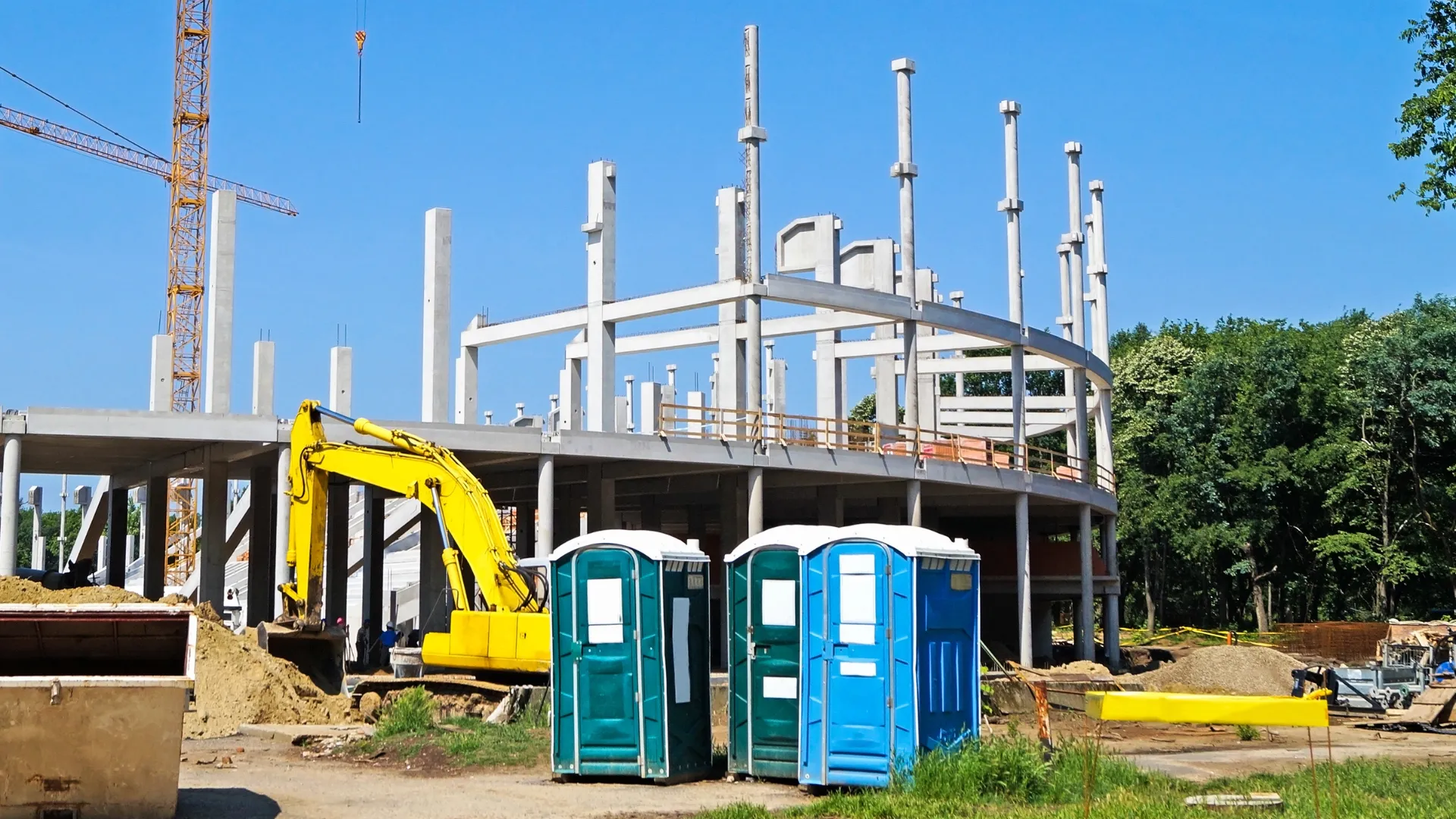
Welfare facilities are a legal requirement, but the CPP should state what will be provided and where. Toilets, washing facilities, drying rooms, and rest areas all need to be considered, especially on longer projects.
Emergency procedures should also be practical. Fire arrangements, first aid provision, accident reporting, and evacuation procedures should reflect the actual layout and staffing of the site.
Generic emergency procedures copied from a head office policy don’t help much if they don’t match the site setup.
Training, Compliance and Supervision
A good Construction Phase Plan will explain how competence is managed. This can include required training (such as SMSTS or SSSTS), trade qualifications, CSCS cards, and site inductions.
Supervision levels are also important. Who is on site full-time, who covers when the site manager is off, and how subcontractors are monitored.
From experience, inspectors are often interested in this section, especially if there’s been an incident.
Monitoring, Inspections, and Continual Improvement
The plan should outline how the site will be monitored. Site inspections, audits, behavioural observations, and how non-conformances are dealt with.
This doesn’t need to be overly complicated. A simple process that is followed is far better than a detailed system that only exists on paper.
It’s also useful to mention how lessons learned are fed back into future projects. Even a brief note shows that safety management isn’t static.
Common Mistakes to Avoid
A few things to crop up again:
- Using a generic template without tailoring it to the project
- Outdated references to old regulations or company structures
- Site layouts and welfare details that don’t match reality
- No clear process for updating the plan as the project changes
If the plan looks like it was written for a different job, it probably won’t stand up well to scrutiny.
A Practical Way to Approach It
The best Construction Phase Plans are built from real project information. Start with your standard company procedures, but tailor them to the specific site, scope, and risks.
If you’re not sure where to start, working with a consultancy like Hurst Setter can help. They support principal contractors with CDM duties, documentation, and practical site safety management, which often makes the process far less painful than trying to piece it together internally.
Final Thoughts
A Construction Phase Plan isn’t just a document to keep in a folder. It’s meant to guide how the site is run, how risks are managed, and how people stay safe while the job gets done.
If it reflects reality, is kept up to date, and is used, it becomes a useful management tool rather than just paperwork. If it’s generic and forgotten, it’s unlikely to help when you really need it.
Speak with our Safety Experts