Winter always changes the feel of a construction site. Even well-run sites can become harder to manage once the temperature drops, daylight shortens and the weather turns. Things that are usually straightforward suddenly take more thought. Access routes get slippery. Visibility drops. Simple tasks take longer. If those changes aren’t accounted for, the risk level rises quickly.
We see it every year when we’re out on site with clients. Most incidents in winter aren’t caused by anything dramatic. They tend to come from everyday tasks being carried out in conditions that weren’t properly allowed for.
Why Winter Conditions Make Sites More Hazardous
Construction is already a high-risk industry, and winter just adds another layer on top. Reduced daylight means more reliance on artificial lighting, which isn’t always adequate or positioned well. Cold, wet weather affects both the ground conditions and how people work. Hands get cold. Movement slows down. Concentration can dip, especially early in the morning.
From a legal point of view, winter doesn’t change an employer’s responsibilities. The duty to provide a safe place of work remains exactly the same, regardless of the season. What does change is how those risks need to be managed in practice.
Slips, Trips and Falls
Slips and trips remain one of the most common causes of injury on construction sites, and winter makes this worse almost overnight. Ice, frost, snow and standing water turn walkways and access routes into problem areas very quickly.
We often see issues around scaffold access, temporary stairs and vehicle routes. Even sites with good housekeeping can struggle if materials, cables or uneven ground become hidden under snow or muddy water. Gritting helps, but it needs to be done regularly and in the right places. One early morning frost can undo the controls that were in place the day before.
Working at Height in Winter Weather
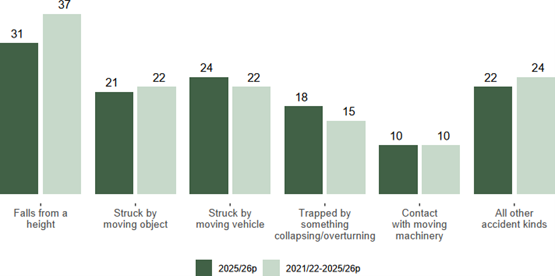
Falls from height are still the biggest cause of fatalities in construction, and winter conditions push that risk up further. Ice on platforms, wind gusts, and poor visibility can make tasks unsafe, even if the equipment itself is in good condition.
In real terms, this means decisions sometimes need to be made to delay work. That’s not always popular, but it’s often the right call. Where work at height has to go ahead, it usually requires closer supervision, more frequent inspections and a realistic look at whether the planned method is still suitable for the conditions on the day.
Cold-Related Health Issues
Cold weather doesn’t just affect surfaces and equipment. It affects people. Reduced dexterity, slower reactions and fatigue are all more common when workers are exposed to low temperatures for long periods. Manual tasks become harder, and mistakes are more likely.
On some sites, especially early starts or exposed locations, we still see welfare arrangements that aren’t quite up to the job in winter. Warm rest areas, hot drinks and sensible break arrangements make a real difference. In extreme conditions, cold stress and hypothermia are genuine risks, particularly for outdoor trades working long shifts.
Vehicles and Plant in Winter Conditions
Plant and vehicle movements need extra attention once the ground conditions deteriorate. Braking distances increase, visibility drops and muddy or icy ground can affect stability. We’ve seen vehicles skid on routes that were perfectly safe a few weeks earlier.
Traffic management plans should be reviewed with winter in mind. Routes may need adjusting, lighting may need improving and pedestrian segregation becomes even more important when conditions are poor. It’s also worth checking that plant and equipment are suitable for winter use and properly maintained.
Manual Handling Risks
Cold muscles and joints don’t respond in the same way as they do in warmer conditions. Lifting and carrying tasks that are normally manageable can lead to strains and sprains if workers aren’t properly prepared. Warming up, adjusting workloads and avoiding unnecessary manual handling becomes more important during the winter months.
Legal Duties don’t Stop for Winter
There’s sometimes a misconception that bad weather offers some flexibility when it comes to compliance. It doesn’t. Employers and duty holders remain responsible under legislation such as the Health and Safety at Work Act, CDM Regulations, Management Regulations and Work at Height Regulations throughout the winter period.
If anything, the expectation is that additional controls will be put in place to reflect the increased risk. Failure to do so can lead to enforcement action, delays on site and increased liability if something goes wrong.
Managing Winter Risks Properly
Effective winter safety management tends to be practical rather than complicated. Regular monitoring of weather conditions, daily reassessment of tasks and making adjustments when needed all play a part. Gritting routes, improving lighting, reviewing RAMS and increasing supervision during poor conditions are all measures we regularly advise on.
One thing we stress with clients is that winter risk assessments shouldn’t be static. Conditions change quickly, sometimes within hours. What was safe at 10am may not be safe by mid-afternoon if the temperature drops or visibility worsens.
Common Issues Picked up by the HSE
During winter inspections, the same issues crop up time and again. Icy access routes that haven’t been managed, work at height continuing in unsuitable conditions, poor lighting and welfare facilities that don’t reflect the season. These aren’t unusual or unexpected problems, but they are avoidable with better planning and oversight.
How Hurst Setter Supports Winter Safety on Site
At Hurst Setter, we work with construction companies throughout the year, but winter is often when our support becomes most valuable. We regularly carry out site inspections, review risk assessments and method statements, and help duty holders adapt their arrangements to suit seasonal conditions.
Our focus is always on practical compliance. What will actually work on site, not just what looks good on paper. That might involve adjusting traffic routes, tightening up supervision, or advising when work should be paused rather than pushed through unsafe conditions.
Keeping Sites Safe Through the Winter
Winter doesn’t have to lead to more accidents, but it does require a different approach. Sites that plan ahead, remain flexible and take changing conditions seriously tend to manage the season far better than those that try to operate as if nothing has changed.
By recognising the additional risks and putting sensible controls in place, construction companies can protect their workforce, stay compliant and keep projects moving safely through the winter months.
Speak with our Safety Experts