When people think about construction health and safety, welfare facilities are not always the first thing that comes to mind.
Most attention tends to focus on risk assessments, PPE, working at height, or plant safety. Yet welfare facilities are a legal requirement on construction sites and play an important role in protecting the health and welfare of workers.
The challenge is that welfare requirements are often misunderstood. Some businesses assume they only apply to large projects, while others are unsure exactly what facilities need to be provided and when.
In reality, welfare arrangements should be considered before work starts and maintained throughout the project.
What are Construction Welfare Facilities?
Construction welfare facilities are the basic amenities provided to workers on-site.
They are designed to ensure workers have access to suitable sanitary facilities, washing facilities, drinking water, rest areas, and places to store and consume food safely.
While they may seem straightforward, welfare facilities are an important part of creating a safe and healthy working environment.
Good welfare arrangements help reduce illness, improve hygiene standards, support wellbeing, and contribute to overall site safety.
What Legislation Covers Welfare Facilities?
The primary legislation covering construction welfare facilities is the Construction (Design and Management) Regulations 2015 (CDM 2015).
CDM places duties on those responsible for construction projects to ensure suitable welfare facilities are available from the start of the project and remain available throughout the works.
The regulations recognise that workers cannot carry out their duties safely if basic welfare needs are not being met.
Welfare requirements are not optional extras. They are a legal obligation.
What Welfare Facilities Are Required on Construction Sites?
The exact arrangements will vary depending on the size and nature of the project, but CDM requires several key facilities.
Toilets
Suitable and sufficient sanitary conveniences must be provided.
These should be readily accessible, kept clear, adequately ventilated, and supplied with toilet paper.
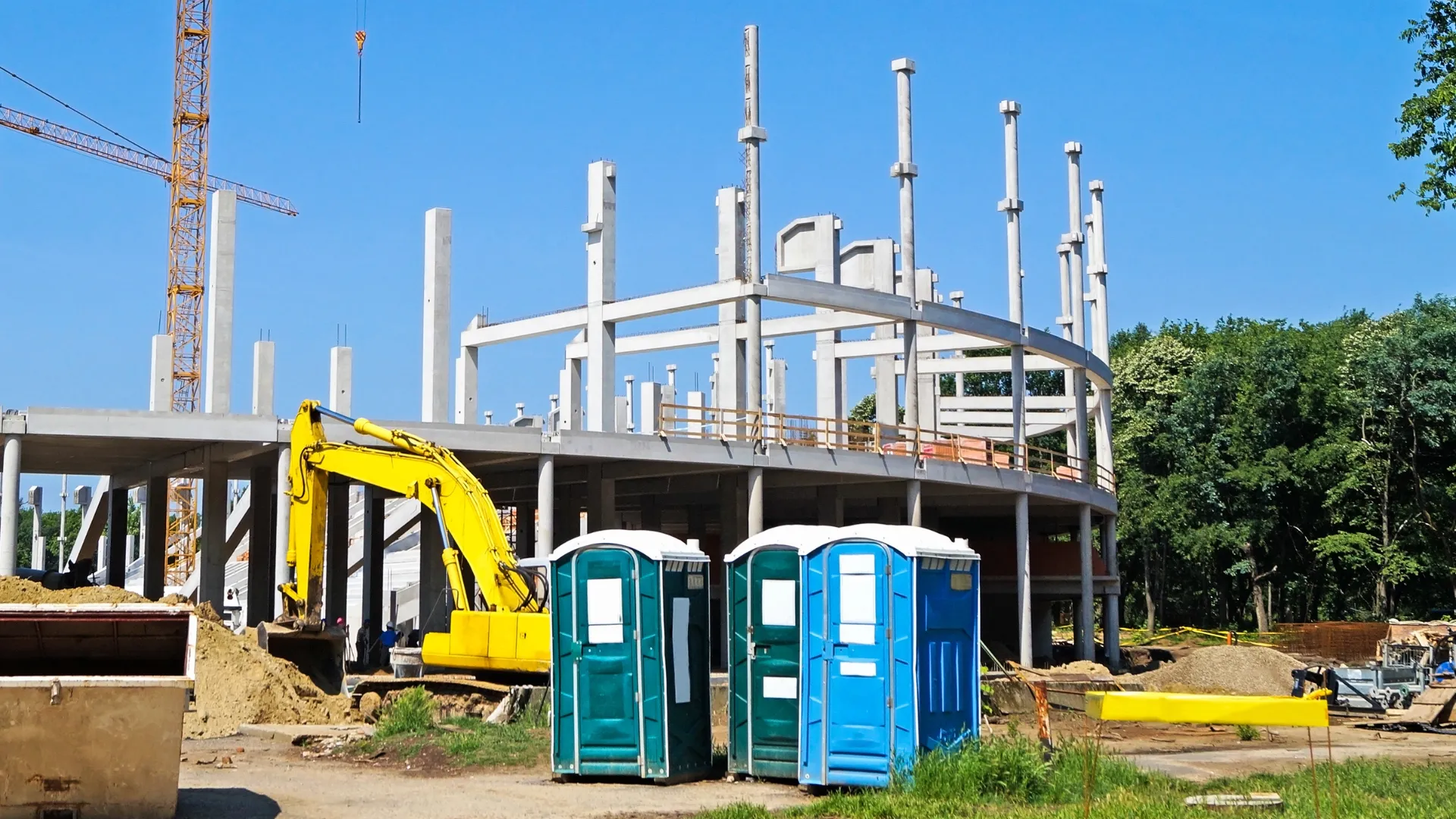
Portable toilets may be suitable on smaller projects, while larger sites often require more substantial facilities.
Washing Facilities
Workers should have access to washing facilities with clear hot and cold, or warm, running water.
Soap and a suitable means of drying hands should also be provided.
This is particularly important where workers may be exposed to dust, chemicals, cement, oils, or other hazardous substances during their work.
Good washing facilities help reduce health risks and support compliance with wider requirements such as COSHH Risk Assessments and Health and Safety Documentation.
Drinking Water
A sufficient supply of clean drinking water must be available.
Workers should be able to access drinking water easily throughout the working day, particularly during warmer weather when dehydration becomes a greater risk.
This is especially important during summer months when heat stress and hydration become key site safety considerations.
Rest Facilities
Workers must have access to a suitable place to rest and eat meals.
Rest areas should include seating with backs and, where practical, facilities for preparing or heating food and drinks.
Construction work can be physically demanding, and suitable rest facilities provide workers with an opportunity to recover during breaks and maintain wellbeing throughout the day.
Changing and Storage Facilities
Where workers need to change clothing or wear specialist PPE, suitable changing and storage arrangements may also be required.
Providing secure storage helps keep personal belongings protected and prevents contamination of clothing or equipment.
When Must Welfare Facilities be Provided?
One of the most common misunderstandings is that welfare facilities can be introduced later in the project.
The regulations are clear.
Suitable welfare facilities should be available from the start of construction work.
That means they need to be considered during the planning stage rather than added once work is already underway.
This is one reason why effective project planning is so important under CDM.
Welfare arrangements should form part of the wider site management process and be reviewed alongside other health and safety considerations.
Common Welfare Facility Issues on Construction Sites
Most businesses understand the need for welfare facilities. Problems tend to arise when arrangements are not maintained properly and project progress.
Common issues include:
- Facilities becoming unclear or poorly maintained
- Insufficient number of toilets for the workforce
- Lack of hot water
- Inadequate rest facilities
- Poor access to drinking water
- Welfare arrangements not keeping pace with site growth
As projects expand and the workforce numbers increase, welfare requirements may need reviewing to ensure facilities remain suitable. This is where regular monitoring becomes important.
Welfare Facilities and Site Inspections
Welfare facilities are routinely reviewed during site inspections and audits.
Inspectors are not only interested in whether facilities exist, but also in whether they are suitable, accessible, clean, and properly maintained.
Regular Site Inspections can help identify issues early and ensure welfare standards remain consistent throughout the life of a project.
Similarly, proactive Site Audits can help businesses assess whether their welfare arrangements continue to meet legal requirements as projects evolve.
Why Welfare Facilities Matter Beyond Compliance
It is easy to view welfare facilities as simply another regulatory requirement.
But their impact goes beyond compliance.
Good welfare arrangements support worker wellbeing, improve hygiene standards, and help create a more positive working environment. They can also contribute to productivity by ensuring workers have appropriate facilities available throughout the day.
For construction businesses looking to attract and retain skilled workers, welfare standards can also reflect the overall professionalism of the site.
Workers notice when facilities are well maintained. Clients do too.
How Hurst Setter Can Help
At Hurst Setter, welfare facilities are often reviewed as part of wider construction health and safety support.
This may include carrying out Site Inspections, delivering comprehensive Site Audits, assisting with Risk Assessments, or providing ongoing Health and Safety Administration Support to help ensure projects remain compliant as they grow.
The aim is not simply to tick a box, but to make sure welfare arrangements remain practical, suitable, and aligned with the way the site is operating.
Getting Welfare Facilities Right
Construction welfare facilities may not be the most talked-about aspect of site safety, but they remain one of the most important.
They are a legal requirement, a fundamental part of worker wellbeing, and often one of the first things inspectors will look at when assessing site standards.
By planning welfare arrangements properly, reviewing them regularly, and ensuring they evolve alongside the project, construction businesses can meet their legal obligations while creating safer and more professional working environments.
And in many cases, the difference between adequate welfare and good welfare comes down to one thing: giving it the attention it deserves from the start.
Speak with our Safety Experts