When summer arrives, most construction teams welcome the better weather. Work is often easier without rain, access improves, and projects tend to move more smoothly. But warmer weather brings its own risks.
Long hours in direct sunlight, physically demanding tasks, and heavy PPE can quickly lead to fatigue, dehydration, and overexposure to UV. These are not always treated with the same urgency as other hazards, yet they can affect well-being and safety on site.
For many construction businesses, summer is simply another period that needs managing properly. The risks are predictable. The controls are straightforward. But they still need planning.
Legal Responsibilities During Hot Weather
UK health and safety legislation does not set a maximum temperature for outdoor work. That often surprises people. What the law does require is that employers manage risks, including those linked to heat, hydration, and sun exposure.
The Health and Safety at Work etc. Act 1974 places a general duty on employers to protect the health, safety and welfare of workers. That includes risks caused by weather conditions where work is carried out outdoors.
The Workplace of Health and Safety at Work Regulations 1999 also require risk assessments. During the summer months, this includes reviewing the impact of heat, UV exposure, and physically demanding work.
Put simply, if hot weather introduces risk, it needs to be considered and managed like any other site hazard.
Why Construction Workers are More Exposed
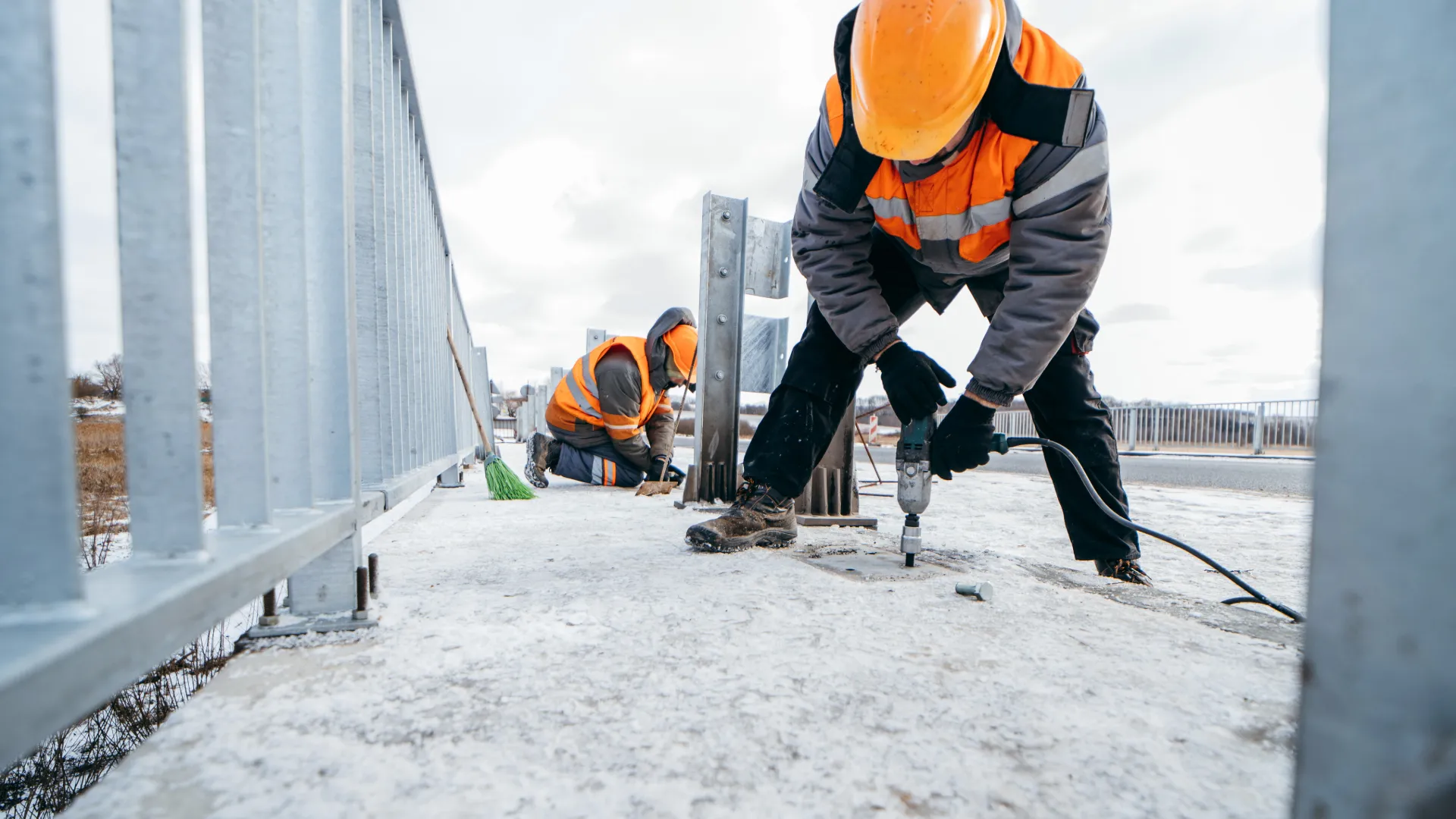
Construction work is particularly affected by hot weather. Workers are often outdoors for long periods, carrying out physically demanding tasks, sometimes while wearing protective clothing that limits airflow. And unlike office environments, the temperature cannot be controlled.
Direct sunlight, reflective surfaces, machinery heat, and manual labour all combine to increase the strain on the body. Over time, this can affect concentration, increase fatigue, and raise the likelihood of mistakes. It also increases the risk of longer-term health issues, particularly when exposure to sunlight becomes routine.
Heat Stress on Construction Sites
Heat stress happens when the body cannot cool itself effectively. This usually develops gradually, especially during long shifts or when workers are moving between shaded and exposed areas. Early symptoms can be easy to overlook. Tiredness, dizziness, headaches, and nausea are often dismissed as general fatigue. But they can quickly progress to more serious conditions such as heat exhaustion or heat stroke.
In construction environments, that creates an additional risk. Reduced concentration and slower reaction times can increase the likelihood of incidents, particularly when working at height, around plant, or with tools.
Managing heat stress is largely about planning. Adjusting work schedules, rotating tasks, and providing suitable rest areas can make a noticeable difference. Even small changes, such as encouraging regular breaks in shaded areas, help reduce strain during hot periods.
Hydration and Site Safety
Hydration is often discussed as a well-being issue, but it has a direct connection to safety. Dehydration can affect concentration, coordination and decision-making. On busy construction sites, this increases the chance of errors. Workers do not always realise they are becoming dehydrated. Thirst is not always a reliable indicator, particularly during physically demanding work.
Common signs include fatigue, dizziness, headaches, and dark urine. By the time these appear, dehydration has already started to affect performance. Providing easy access for drinking water is one of the simplest controls available. But availability alone is not always enough. Encouraging regular hydration and allowing time for breaks is equally important, particularly during hot weather.
For many sites, placing water close to work areas and scheduling short breaks throughout the days help maintain hydration without disrupting productivity.
Sun Exposure and Skin Cancer Risk
Prolonged exposure to sunlight is another risk that is sometimes underestimated in construction. Workers who spend most of the day outdoors are exposed to UV radiation for long periods. This builds over time and increases the risk of skin damage and skin cancer. Construction workers are considered a higher-risk group because of the amount of time spent working outside. Even on cloudy days, UV exposure can still be significant.
Simple controls can reduce exposure. Scheduling work to avoid the hottest part of the day where possible, providing shaded rest areas, and encouraging suitable clothing all help limit risk. Some businesses also encourage the use of sunscreen, particularly during prolonged outdoor work. While not always mandatory, it is a practical step where exposure is unavoidable.
Planning Ahead for Summer Conditions
Hot weather risks are predictable. They tend to follow the same pattern each year. That makes them easier to manage if they are considered in advance.
Reviewing risk assessments before summer, ensuring water supplies are available, and identifying shaded rest areas are straightforward steps. So is reminding teams about symptoms of heat stress and dehydration. These measures do not need to be complicated. In most cases, they supply involve adjusting existing safety processes to reflect seasonal conditions.
A Practical Approach to Summer Safety
Summer brings benefits to construction projects, but it also introduces risks that are easy to overlook. Heat stress, dehydration, and sun exposure develop gradually. They rarely appear as sudden hazards, which is why they sometimes receive less attention than more obvious risks. But they can still affect both health and safety if not managed properly.
Taking a practical approach, reviewing conditions, encouraging breaks, and ensuring workers have access to water and shade can make a noticeable difference.
At Hurst Setter, this type of seasonal pricing is often part of wider health and safety support. The aim is not to introduce unnecessary processes but to help businesses adjust their existing systems so they remain effective throughout the year. With warmer weather becoming more common, managing heat and sun exposure is likely to remain an important part of construction site safety.
Speak with our Safety Experts