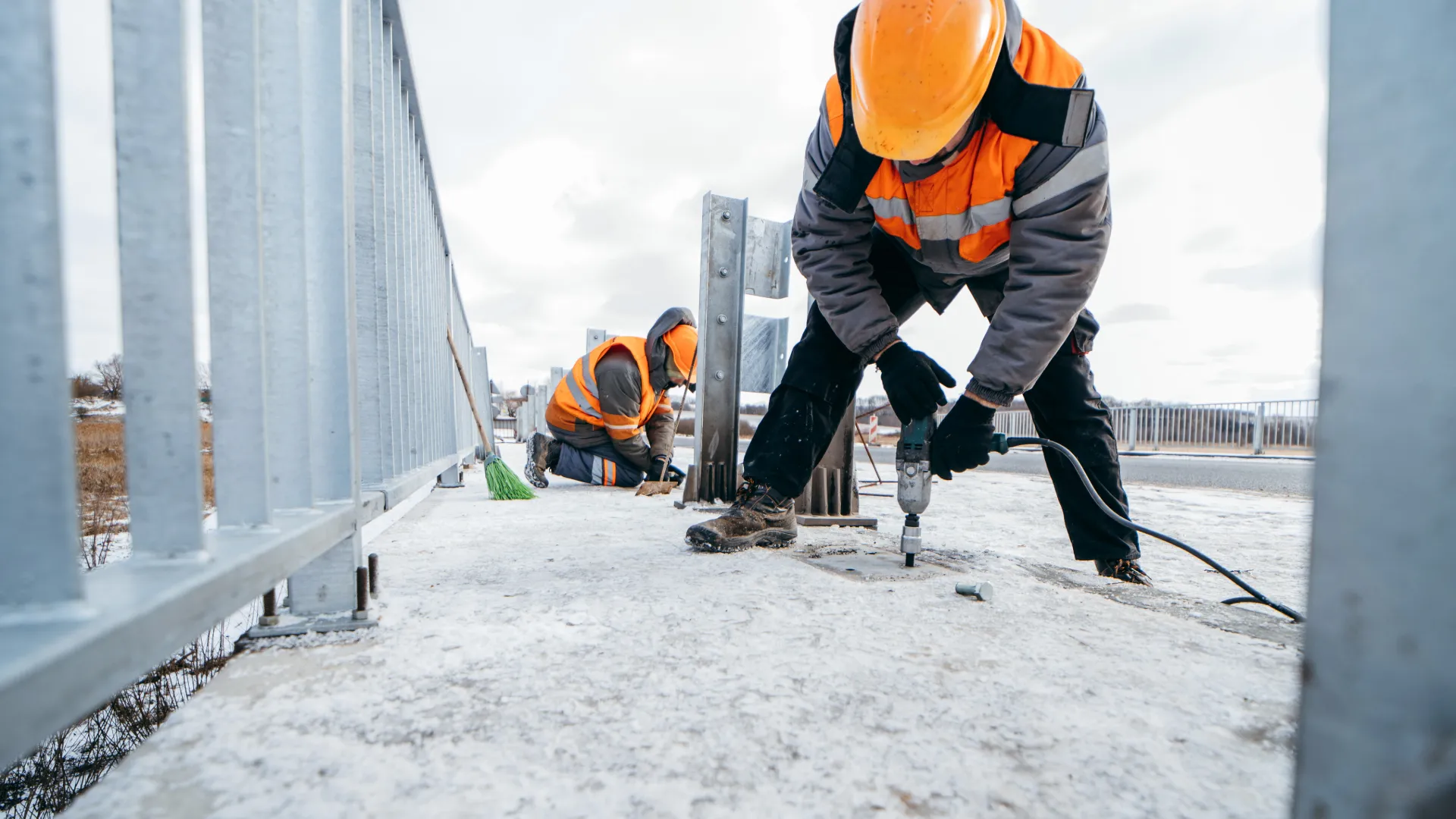
PPE is usually one of the most visible parts of construction site safety.
Hard hats, hi-vis clothing, eye protection, safety boots. Most workers understand why it is needed, and most sites have clear rules around what must be worn.
But during summer, PPE can become more difficult to manage.
Warmer weather, direct sunlight, physically demanding work, and long shifts can make protective equipment feel uncomfortable. Workers may start removing gloves, loosening clothing, taking off eye protection, or finding small ways to make themselves cooler.
It is understandable, but it can also create risk.
Why PPE Becomes Harder to Manage in Hot Weather
Construction work is already physically demanding, and PPE can add to the strain during warmer months.
Some items trap heat, others restrict airflow. Certain types of clothing can become uncomfortable when workers are sweating or carrying out repetitive tasks. Over the course of a shift, that discomfort can start to affect concentration and willingness to keep PPE on properly.
This is where the challenge sits.
Workers are not usually removing PPE because they do not care about safety. More often, they are trying to stay comfortable enough to keep working.
That does not make it safe, but it does help explain why the issue needs to be managed properly rather than simply enforced without context.
Workers Removing PPE in the Heat
One of the most common summer issues on site is PPE being worn incorrectly or removed altogether.
Gloves may come off during handling tasks. Safety glasses may be pushed up because they mist or become uncomfortable. Hi-vis layers may be unzipped or removed because workers are too warm.
Sometimes it happens for a few minutes. Sometimes it becomes normal across the site.
The problem is that many construction hazards do not pause because the weather is hot. Falling objects, sharp materials, dust, chemicals, moving plant, and impact risks are still present.
So, the aim is not to relax PPE standards during summer. It is to make sure those standards remain realistic and workable.
Choosing More Suitable PPE
Not all PPE performs the same in hot conditions.
Where possible, businesses should review whether the PPE being provided is suitable for summer work. That might mean lighter, breathable clothing, moisture-wicking materials, anti-fog eye protection, or gloves that offer protection without unnecessary bulk.
This does not mean lowering he level of protection. It means choosing equipment that workers are more likely to wear properly for the full task.
If PPE is uncomfortable, poorly fitted, or unsuitable for the working conditions, compliance becomes harder to maintain. In reality, the best PPE is not just the item that meets the standard. it is the item that provides the right protection and can be worn consistently.
Hydration and Comfort are Part of PPE Compliance
PPE compliance is not only about the equipment itself.
If workers are overheated, dehydrated, or fatigued, they are more likely to remove protective equipment or wear it incorrectly. That means hydration, rest breaks, and access to shade all play a part in keeping PPE standards consistent.
Providing water close to work areas, planning breaks during hotter parts of the day, and rotating physically demanding tasks can all help reduce discomfort.
Small changes make a difference.
When workers feel that hot weather risks are being properly considered, it is usually easier to maintain expectations around PPE use.
Maintaining Standards Without Ignoring Conditions
Supervisors can find PPE enforcement more difficult during the summer because the reasons for non-compliance feel more understandable.
But that does not mean standards should slip.
The better approach is to combine clear expectations with practical support. Workers should understand why specific PPE is required, what risks it protects against, and when it must be worn.
At the same time, site managers should be looking at whether current arrangements are making compliance harder than it needs to be.
If several workers are removing the same item from PPE, it is worth asking why. Is it too hot? Is it unsuitable for the task? Is there a better alternative available?
That kind of review can prevent repeated issues.
Supervising PPE properly During Summer
Good supervision is important all year round, but it becomes especially useful during hot weather.
Supervisors are often the best place to notice when PPE standards are slipping, or when workers are becoming uncomfortable, tired or distracted.
Regular site checks can help identify issues early. So can short reminders during briefings or toolbox talks.
The key is consistency.
If PPE rules are enforced one day and ignored the next, workers quickly lose clarity about what is expected. Consistent standards, supported by sensible summer controls, help avoid confusion.
PPE Should Support Safe Work, not Because a Barrier
PPE is there to protect workers, but if it is not suitable for the conditions, it can become harder to use properly. that is why summer is a good time for construction businesses to review their approach.
- Are workers wearing PPE correctly throughout the day?
- Are certain items causing repeated issues?
- Are hydration and rest arrangements supporting safe working?
- Is the PPE suitable for the task and the weather conditions?
These are simple questions, but they often highlight practical improvements.
How Hurst Setter Can Support PPE and Summer Site Safety
At Hurst Setter, we help construction businesses keep safety arrangements practical and consistent throughout the year.
During summer, that often means reviewing how site conditions affect safety measures, including PPE use. It may involve looking at risk assessments, welfare arrangements, heat-related controls, or whether current PPE remains suitable for the work being carried out.
The aim is not to add unnecessary rules. it is to help businesses maintain safe working standards in a way that reflects real site conditions.
If your site teams are finding PPE harder to manage during warmer weather, Hurst Setter can provide practical guidance to help review your current arrangements and keep safety standards consistent.
Speak with our Safety Experts