Managing Contractors and Supervision on Site – Getting Control in 2026
Contractors, labour‑only gangs and agency workers are essential to most construction and housing projects – but they also remain one of the biggest weak spots in site safety management. HSE’s current guidance and enforcement activity make it clear that clients and principal contractors must be able to demonstrate effective selection, planning and supervision of everyone working under their control. In 2026, inspection priorities emphasise that simply having paperwork in place is not enough; regulators want to see real control on the ground.
Before They Start – Choosing and Planning Properly
HSE’s guidance on using contractors stresses that the foundation of safe work is choosing the right contractor and planning the job together. This means checking competence (experience, qualifications, references, accident history), confirming they understand your site rules and CDM roles, and making sure there is a clear description of the work, hazards and interfaces with others.

Good practice before work starts includes:
- Pre‑qualification and selection based on competence, not just price.
- A written scope of work and clear allocation of duties under CDM 2015 (client, principal designer, principal contractor, contractors).
- Pre‑start meetings to agree RAMS, welfare, access/egress, plant movements, permits and emergency arrangements.
Recent prosecutions show that where planning is weak, control is quickly lost. In the VNP Constructions case, repeated HSE visits found ongoing work at height risks and poor site management despite earlier notices, underlining that leadership must establish clear expectations from the outset.
While They’re on Site – Supervision and Monitoring
HSE’s message is that duty holders must plan, manage and monitor work so that it is carried out without risk, including work done by contractors and sub‑contractors. This involves more than a site induction: supervisors need to know who is on site, what they are doing, and whether they are working to agreed RAMS and permits.
Key elements while contractors are on site:
- Comprehensive inductions covering specific site hazards, traffic routes, local rules and emergency arrangements.
- Named supervisors with enough time and authority to enforce standards, stop unsafe work and escalate issues.
- Routine monitoring – formal inspections and informal walk‑arounds – to verify that controls for work at height, plant, lifting, asbestos, dust and other risks are actually being applied.
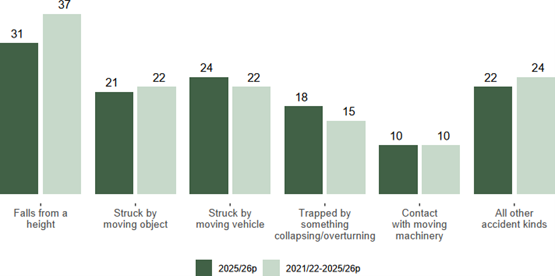
HSE has highlighted in its 2025–26 priorities that poor supervision and weak contractor control are common underlying causes in serious incidents and enforcement. Where unsafe practices are observed and not challenged, both the contractor and the principal contractor can face action.
After the Job – Learning and Improvement
Effective contractor management does not end when the work is finished. HSE and industry guidance encourage organisations to review performance and capture learning for future projects. Simple post‑job reviews allow you to identify contractors who perform well, and those who need closer supervision, additional support or should not be re‑engaged.
Points to consider at close‑out:
- Were there any incidents, near‑misses or repeated non‑compliances linked to the contractor?
- Did they follow RAMS, cooperate with site rules and communicate changes properly?
- What improvements are needed in your own processes (briefings, permits, planning) before the next similar job?
Maintaining simple performance records for key contractors helps demonstrate to HSE that selection and monitoring are based on evidence, not assumptions.
Practical Checklist for 2026 – Managing Contractors and Supervision
For construction and housing sites, the following points will help align contractor management with HSE expectations this year:

- Pre‑qualification and competence
Use a structured process to check experience, training, accreditations and references before appointing contractors and labour‑only gangs. - Clear roles and responsibilities
Confirm who is client, principal contractor and principal designer, and ensure all contractors understand their duties under CDM 2015 and site‑specific rules. - Joint planning and RAMS
Agree risk assessments and method statements with contractors ahead of work, making sure they reflect actual site conditions and interfaces with others. - Robust induction and briefings
Provide site‑specific inductions and regular toolbox talks and require supervisors to brief their teams on RAMS before starting high‑risk activities. - Visible supervision and monitoring
Ensure competent supervisors are present, with time to monitor work, correct unsafe behaviour and confirm that control measures are in place. - Dealing with non‑compliance
Set out clear consequences for repeated breaches of site rules or RAMS, including stopping work, removing individuals from site or reviewing contracts. - Performance review and feedback
Record how contractors perform, review incidents and near‑misses, and use this information when making future appointment decisions.
By tightening contractor selection, supervision and follow‑up, construction businesses can significantly reduce risk, improve consistency across multiple sites and demonstrate to HSE that they are in genuine control of the work being carried out in their name.
Spring on Site: Environmental Duties and Good Practice for 2026
As ground conditions improve and programmes ramp up in spring, environmental risks on construction and housing sites often increase. More excavation, more vehicle movements and longer working days all raise the potential for pollution, waste issues and ecology impacts. Regulators and clients increasingly expect environmental management to sit alongside health and safety as a core part of day‑to‑day site control.
Managing Run‑Off, Silt and Pollution
Spring typically brings wetter ground and more open excavations, which can increase the risk of silty water, concrete washout and fuel or oil spills reaching drains and watercourses. Environmental regulators stress that sites must prevent polluted run‑off from leaving the boundary, using suitable containment and treatment measures.
Practical measures include:

- Designated, lined concrete washout areas located away from drains and watercourses.
- Silt controls such as settlement areas, silt fences, straw bales or proprietary units where large areas of soil are exposed.
- Bunded fuel and chemical storage, clearly marked refuelling areas and spill kits available and used, with staff trained in how to respond.
Simple planning at the start of the season – identifying sensitive receptors, drainage runs and higher‑risk activities – significantly reduces the chance of costly clean‑ups or enforcement action.
Waste and Materials – Getting the Basics Right
Construction and demolition waste remains a key focus for the Environment Agency and local regulators, with particular concern about illegal disposal, poor segregation and incorrect classification of hazardous wastes. As site activity increases in spring, volumes of spoil, packaging, surplus materials and demolition arisings typically grow.
Good practice for waste on site includes:
- Separating key waste streams (e.g. inert, mixed, timber, metals, hazardous) to reduce costs and enable recycling.
- Ensuring any hazardous materials (e.g. contaminated soil, certain paints, asbestos‑containing materials handled by specialists) are correctly classified and consigned using appropriate documentation.
- Keeping waste storage areas tidy, labelled and contained, with skips covered where needed to prevent windblown litter and polluted run‑
Knowing “what’s in your waste” and keeping simple records helps demonstrate compliance and can also identify opportunities to reduce waste at source.
Ecology, Nesting Birds and Invasive Species
 Spring is also the point at which ecology constraints become more significant. The nesting bird season typically runs from March to August, and disturbing active nests can be a criminal offence. Sites should avoid clearance of vegetation and demolition of suitable nesting structures during this period where possible or use competent ecological advice and checks before work proceeds.
In parallel, many sites continue to encounter invasive non‑native species such as Japanese knotweed, which can spread easily if disturbed or mishandled. Specialist guidance emphasises the need to identify knotweed early, avoid spreading contaminated soil and follow controlled treatment or removal strategies. Pre‑construction information and surveys should be reviewed for ecology and invasive species findings, and site managers should be briefed on any constraints before work starts.
Sustainability Expectations in 2026
Expectations on “green” construction are steadily rising, but for most sites this is about doing the basics well and showing you’re moving in the right direction, rather than brand‑new rules overnight. Clients, planners and funders are asking more questions about how projects use materials, manage waste and limit their carbon footprint, alongside traditional health and safety performance.
Industry discussions about “Part Z” are a good example. Part Z is a proposed new part of the Building Regulations that would make larger projects measure the carbon tied up in the materials and construction process, not just the energy a building uses once it is occupied. In simple terms, it would mean adding up the carbon impact of concrete, steel, bricks and other products on a job, reporting the total, and over time working to keep that total below agreed limits.
Although Part Z is not law yet, it shows where policy is heading. Main contractors and housebuilders are increasingly expected to:
- Use materials more efficiently and avoid unnecessary waste on site.
- Choose lower‑impact options where practical (for example, alternative concretes, recycled content, or reused elements).
- Record what they are using, so that basic carbon information can be provided when clients or designers ask for it.
For day‑to‑day projects, simple steps such as reducing diesel idling, planning deliveries to cut mileage, improving waste segregation and talking early with designers about practical lower‑carbon options can all help meet these growing expectations and strengthen tender responses.
Spring Action Points for Site Teams
To stay ahead of expectations as spring 2026 approaches, construction businesses should:

- Map drains, watercourses and sensitive receptors, and implement robust controls for run‑off, concrete washout and spills.
- Review waste arrangements, ensuring segregation, documentation and storage meet current legal and client requirements.
- Check pre‑construction information and surveys for ecology and invasive species issues and plan any vegetation or demolition works accordingly.
- Identify one or two practical sustainability improvements per site (e.g. reduced idling, better materials planning, improved recycling rates) and monitor progress.
Building these environmental checks into normal site planning and supervision will help reduce risk, avoid delays and support stronger relationships with regulators, neighbours and clients in the year ahead.
Speak with our Safety Experts