Supporting the 2026 TCS London Marathon
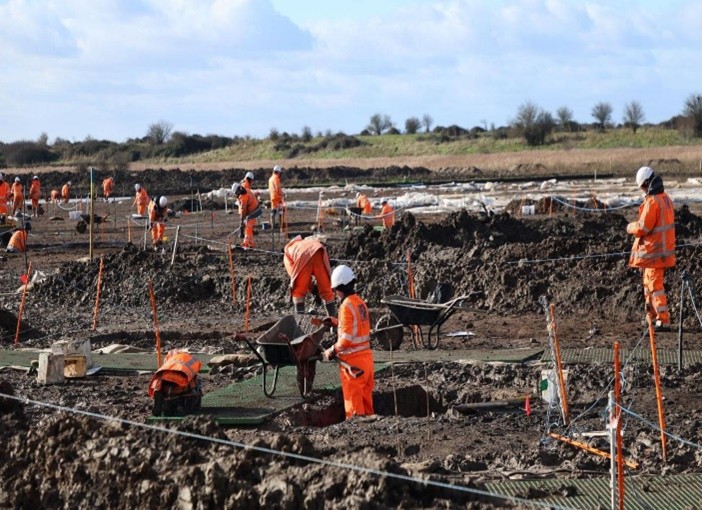
This April I’ll be taking on the 2026 TCS London Marathon, running 26.2 miles through the streets of London to raise money for a charity that’s very important to me.
If you’d like to support my fundraising efforts, you can read more and donate via my official page here:
Darren Goble – 2026 London Marathon Fundraising Page
https://2026tcslondonmarathon.enthuse.com/pf/darren-goble
Any amount, large or small, will be genuinely appreciated and will go directly to supporting the charity’s work.

Construction Safety Update
Enforcement and Prosecution Highlights
Recent HSE prosecutions continue to focus on basic failures in planning, managing and monitoring work, with repeat non‑compliance attracting tougher penalties. A construction company was fined after a worker fell from a ladder during refurbishment works in London, suffering multiple serious injuries; there was no safe system of work for working at height and wider failings included inadequate edge protection, incorrectly assembled tower scaffolds and uncontrolled ladder use, despite a previous Prohibition Notice for unsafe work at height on the same site. HSE stressed that where earlier warnings are ignored, courts are likely to impose substantial fines.
Enforcement action is not limited to physical risks. Two Midlands companies and a site manager were recently prosecuted after large‑scale asbestos disturbance during demolition in Staffordshire, where an unlicensed contractor was brought in to manage the clean‑up instead of a licensed firm, and the work had not been properly planned or controlled. This underlines HSE’s ongoing focus on asbestos competence, correct licensing and robust planning for refurbishment and demolition work.
Growing Focus on Work‑Related Stress and Mental Health
HSE has confirmed that reducing work‑related ill health, with a specific focus on mental health and stress, is one of its headline objectives for 2025–26. A recent Notice of Contravention served on a large employer for shortcomings in stress risk management shows that inspectors are prepared to scrutinise how organisations assess, control and monitor psychosocial risks, not just physical hazards. In that case, HSE criticised inconsistent arrangements, inadequate consultation and a lack of evidence that stress risks were properly understood or controlled, requiring a comprehensive review of policies, risk assessments and monitoring systems.
For construction, this sits alongside HSE’s Working Minds campaign and sector‑specific tools such as the construction stress Talking Toolkit, reinforcing the expectation that employers treat stress like any other safety risk: identify the causes, talk to staff, put controls in place and review whether they are working. Inspections in 2026 are increasingly likely to ask how mental health and fatigue are being managed alongside traditional issues such as falls from height, plant and asbestos.
Key Priorities for Construction Businesses in April
Revisit work at height arrangements
Check that ladders, tower scaffolds and temporary platforms are only used within a safe system of work, with edge protection, inspection and supervision in line with HSE guidance.
Review asbestos competence and planning

Ensure demolition and refurbishment work is planned by competent people, with appropriate surveys, licensed contractors where required, and clear controls to prevent uncontrolled disturbance.
Integrate stress and mental health into risk management
Use HSE’s stress and Working Minds resources to review policies, risk assessments and consultation, and make sure managers understand their role in preventing work‑related stress.
Stay inspection‑ready
With HSE working towards 14,000 proactive inspections in 2025–26, make sure documentation, site conditions and leadership behaviours all reflect current expectations on both physical safety and work‑related health.
Newsletter Article – April 2026
Beyond Hard Hats: Mental Health, Stress and Fatigue in Construction
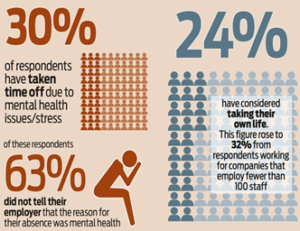
Across UK construction, the conversation is shifting from safety being only about physical risks to recognising that stress, mental health and fatigue are just as critical. HSE’s latest strategy and business plans make improving work‑related mental health a core objective, with construction singled out as a sector where long hours, tight programmes and job insecurity can all contribute to stress. Recent estimates suggest tens of thousands of construction workers are affected by work‑related stress, depression and anxiety each year, accounting for a significant share of all ill‑health in the sector.
Why mental health is now a safety issue
HSE’s “Working Minds” campaign and related initiatives are clear: employers have a legal duty to prevent work‑related stress in the same way as any other health and safety risk. That means stress and mental health must be considered in risk assessments and not left solely to HR or external charities. In construction, factors such as long travel times, rotating shifts, demanding workloads, changes to programmes and time away from family are all recognised contributors to poor mental health.
- For clients and principal contractors, this is important because:
- High stress and fatigue can increase the likelihood of accidents, errors and near‑misses on site.
- Mental health‑related absence and turnover can impact productivity, programme and cost.
- Regulators and major clients increasingly expect to see evidence that organisations are taking mental health seriously, not just providing a helpline number.
HSE tools: Working Minds and the Talking Toolkit
To help employers, HSE has developed several practical tools rather than just high‑level guidance. The Working Minds campaign sets out five simple steps based on the normal risk assessment process: reach out, recognise, respond, reflect and make it routine. It is designed to help managers start conversations, spot early signs of stress and build mental health into everyday supervision.
For construction specifically, HSE’s Stress Talking Toolkit provides structured prompts and questions supervisors can use with their teams. It focuses on six key areas (demands, control, support, relationships, role and change) and offers template questions to guide group discussions. Using these tools can help businesses show that they are actively identifying stressors and working with employees to agree practical improvements.
Fatigue – managing hours, travel and workload
Fatigue is increasingly recognised as a safety‑critical risk in construction, with studies showing links between long working hours, inadequate rest and increased incident rates. UK Working Time Regulations set limits on average weekly hours, minimum daily and weekly rest, and rest breaks during shifts, and HSE expects employers to factor these into their planning.
Construction guidance emphasises that:

- The typical 48‑hour average working week (unless workers genuinely opt out) should not be exceeded in a way that creates health and safety risks.
- Workers should have at least 11 consecutive hours’ rest in every 24‑hour period and at least one full rest day per week, or two days per fortnight.
- Long commutes, night work and repeated weekend working can all contribute to fatigue and should be considered in risk assessments for higher‑risk tasks.
On larger notifiable projects, fatigue risk management is often built into project planning and supervision; however, smaller sites and subcontractors can sometimes overlook it, relying on individuals to “manage themselves.”
Practical steps for clients and site managers
For a mixed audience of clients, directors and site managers, the key is to treat mental health and fatigue like any other safety risk – planned, assessed and controlled, not left to chance. Practical steps include:
- Include stress and fatigue in risk assessments – especially where long shifts, tight deadlines, remote locations or heavy workloads are expected.
- Train supervisors to spot warning signs – changes in behaviour, increased conflict, more mistakes, absenteeism or withdrawal can all indicate stress or fatigue.
- Use HSE’s Working Minds and Talking Toolkit resources – incorporate their questions and templates into existing team briefings and one‑to‑ones.
- Plan realistic programmes and resourcing – avoid chronic reliance on overtime and last‑minute “heroics” to recover delays, particularly on safety‑critical activities.
- Promote open conversation and support routes – signpost internal and external support (EAPs, industry charities) and make it clear that raising concerns will not be held against people.
By visibly integrating mental health and fatigue into health and safety management – in board reports, site inspections and supervisor training – organisations can reduce risk, improve retention and align with where HSE and major clients are focusing their attention in 2026.
Spring Site Walk‑Through Checklist – April 2026
As we move into longer days and busier programmes, a structured spring walk‑through is a simple way for clients and site managers to check that standards on live sites still match what’s written in the paperwork. Use the checklist below as a practical aide‑mémoire – either for a formal inspection or a joint walk with supervisors and key contractors.
People – Inductions, Supervision and Wellbeing

- Inductions up to date: Check that everyone on site (including agency and short‑term contractors) has had a recent, site‑specific induction that reflects current works, not just the start of the project.
- Supervision visible: Confirm that named supervisors are clearly identified, present on site and have time to supervise – not permanently tied up on the tools or in the office.
- Mental health and fatigue discussed: Ask supervisors how they are raising issues like workload, stress and long hours with their teams, and whether they know how to use HSE’s Working Minds or Talking Toolkit materials in briefings.
- Competence checks: Sample CSCS cards, training records and plant operator tickets to make sure key roles are filled by people with the right skills and experience.
Places – Access, Edges, Scaffolds and Welfare
- Access routes and housekeeping: Walk main pedestrian routes and vehicle crossing points – look for clear segregation, good housekeeping, no trailing leads, loose materials or blocked walkways.
- Edges and openings: Check all leading edges, floor openings, stair cases and roof areas for continuous edge protection, covers and signage; pay particular attention to areas altered during recent programme changes.
- Scaffolds and towers: Confirm weekly inspections are recorded, tags are in place, and that any modifications are being made by competent scaffolders rather than ad‑hoc adjustments on site.
- Welfare standards: Visit welfare during working hours – toilets clean and stocked, hot and cold water available, canteen/rest areas usable and not being used as stores, drying rooms functioning for wet PPE and clothing.
Plant – Condition, Segregation and Use
- Plant inspections and records: Sample pre‑use checks for MEWPs, telehandlers, excavators and other key plant – are defects recorded and acted upon, or just ticked through?
- Segregation from pedestrians: Walk around high‑risk plant areas and loading zones – check barriers, one‑way systems, banksmen arrangements and visibility are adequate for current site layout.
- Parking and storage: Look at how plant, fuel and attachments are parked and stored at the end of the shift – stable, secured and away from edges and public areas.
- Authorised operators: Verify that only authorised personnel are operating plant, and that short‑term hires and weekend work are covered by the same controls as normal weekday operations.
Paperwork – Live, Used and Actioned
- RAMS live and relevant: Check that RAMS on file actually match the work you can see happening, including any late programme changes or additional trades brought in. If workers can’t describe the safe method, the paperwork is not being used.
- Asbestos and surveys: On refurbishment and demolition jobs, confirm that asbestos surveys are accessible, briefings have taken place and any recommendations are reflected in the RAMS and permits.
- Actions and notices closed out: Review actions from previous inspections, audits or HSE visits – are they fully closed, with evidence, or still outstanding? Pay particular attention to any Improvement or Prohibition Notices.
- Stress and fatigue in management systems: Check whether stress, workload and working hours are mentioned in risk assessments or management reviews, and whether there is any record of managers discussing these topics with staff.
Using this walk‑through once or twice in April – ideally with both management and site supervision involved – can help identify issues early, reinforce expectations and demonstrate to clients and regulators that your sites are being actively managed, not just documented.

Speak with our Safety Experts