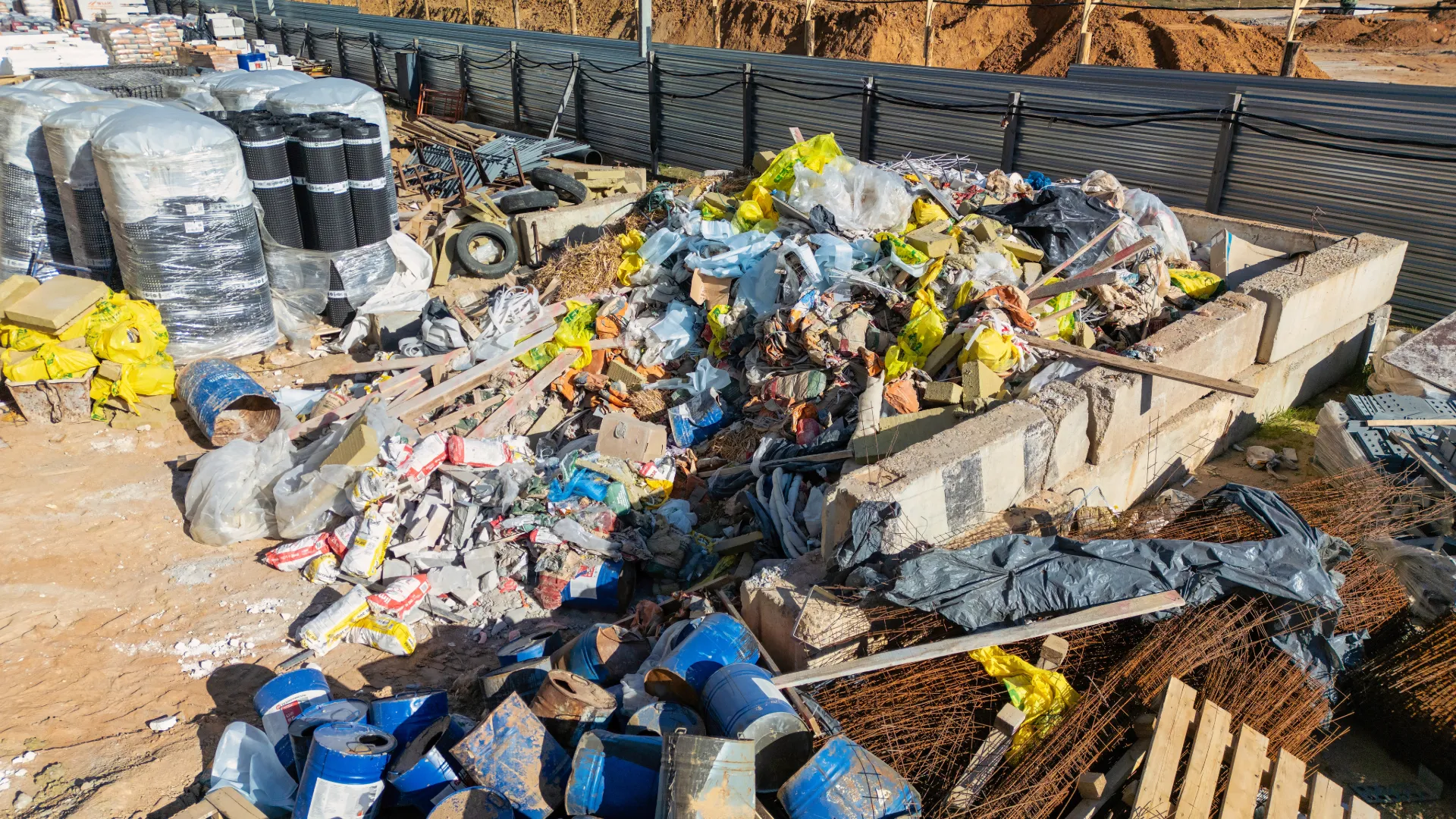
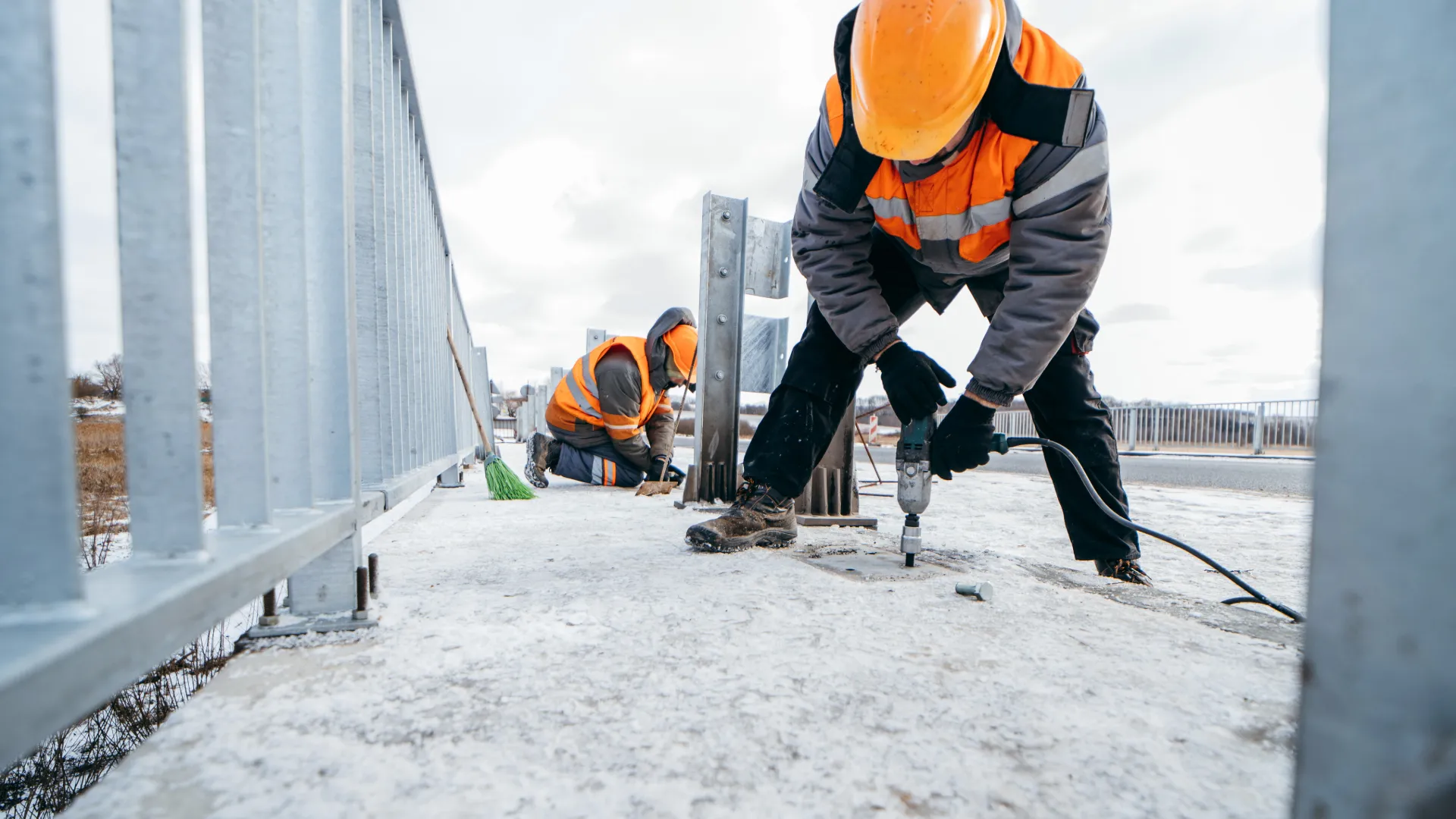
When people think about construction health and safety, they often picture the more obvious risks. Working at height, moving plant, lifting operations, or site traffic. But some of the most serious health risks on construction sites are not always visible.
Dust, chemicals, fumes, cement, solvents, and other hazardous substances can all have a significant impact on workers’ health, particularly when exposure happens repeatedly over time. Unlike a physical accident, the effects may not be immediate. In many cases, the damage develops gradually, sometimes taking years before the symptoms become apparent.
That is exactly why COSHH remains such an important part of construction health and safety management.
What is COSHH?
COSHH stands for the Control of Substances Hazardous to Health Regulations.
The regulations require employers to identify hazardous substances, assess the risks they present, and put suitable control measures in place to protect workers from exposure.
Why COSHH Matters on Construction Sites
Construction workers are regularly exposed to substances that can affect their health.
The Health and Safety Executive has repeatedly highlighted the dangers associated with silica dust, asbestos, welding fumes, and other common site hazards. Long-term exposure can contribute to respiratory diseases, occupational cancers, skin conditions, and other serious health problems. The challenge is that these risks are often less visible than immediate safety hazards.
A worker can see an open excavation or an unprotected edge, whereas dust exposure or chemical contact is not always as obvious. That can sometimes lead businesses to focus heavily on accident prevention while underestimating occupational health risks.
In reality, both need the same level of attention.
Common COSHH Hazards in Construction
Every construction project is different, but certain substances appear repeatedly across the industry.
– Silica Dust is one of the most significant occupational health risks in construction. Activities such as cutting, grinding, drilling, or chasing concrete, brick, and stone can release fine respirable dust into the air. Once inhaled, this dust can penetrate deep into the lungs and contribute to serious illnesses, including silicosis, COPD, and lung cancer.
– Cement is another common hazard. Regular skin contact can cause irritation, dermatitis, and in some cases, chemical burns. Because cement is used on so many projects, workers can become accustomed to handling it without fully considering the potential health effects.
– Welding Fumes contain a mixture of gases and fine particles that can affect respiratory health. Exposure without adequate controls can increase the risk of long-term health issues.
– Solvents, Paints and Adhesives. Many finishing and maintenance activities involve chemicals that may be harmful if inhaled, absorbed through the skin, or used in poorly ventilated areas.
The Importance of COSHH Risk Assessments
A COSHH assessment helps identify:
– What hazardous substances are present
– Who could be exposed
– How exposure might occur
– What control measures are required
– Whether existing controls remain effective
The assessment should reflect the actual work being carried out rather than relying on generic templates. This is where many businesses encounter difficulties. Documentation may exist, but it is not always updated as projects change or new materials are introduced.
COSHH assessments should remain practical and relevant to site conditions.
Controlling Exposure Properly
One of the biggest misconceptions around COSHH is that PPE alone solves the problem. It doesn’t.
While PPE plays an important role, COSHH follows a hierarchy of control that encourages businesses to reduce risks at source wherever possible.
That may involve:
– Eliminating hazardous substances entirely
– Using safer alternatives
– Introducing extraction or ventilation systems
– Reducing exposure time
– Improving work methods
– Providing suitable PPE where necessary
For example, using dust extraction during cutting activities is generally more effective than relying solely on respiratory protection.
The aim is to prevent exposure rather than simply manage its consequences.
Training and Awareness Matter
Even the best control measures can fail if workers do not understand the risks.
Employees should know:
– What substances are they working with?
– What health risks do those substances present?
– What control measures are in place?
– How to use PPE correctly
– What to do in the event of a spill or exposure
This becomes particularly important when new workers, subcontractors, or temporary labour are introduced to the site.
Clear communication and regular training help ensure COSHH controls are followed consistently.
Common COSHH Failures on Construction Sites
Many COSHH issues come down to relatively simple gaps.
Examples include:
– Outdated risk assessments
– Missing Safety Data Sheets
– Poor supervision
– Inadequate training
– Relying solely on PPE
– Failing to identify substances created by work activities
– Not reviewing assessments when conditions change
Individually, these issues can appear minor. Together, they can create significant risks for both workers and the business.
How Hurst Setter Can Help
Managing COSHH properly requires more than completing paperwork.
At Hurst Setter, COSHH management often forms part of a wider health and safety strategy that helps construction businesses protect workers while meeting their legal responsibilities.
This can include developing suitable Risk Assessments, reviewing Health and Safety Policies, providing Health and Safety Administration Support, and carrying out regular Site Audits and Site Inspections to ensure controls remain effective as projects progress.
For businesses managing multiple sites or growing teams, having structured systems in place can make it much easier to keep COSHH documentation current and aligned with actual site activities.
Building a Stronger Approach to Occupational Health
Construction safety is not just about preventing accidents. It is also about protecting workers from the health risks that develop gradually over time.
COSHH plays a vital role in that process. By identifying hazardous substances, assessing exposure risks, and implementing practical controls, businesses can help reduce long-term health problems while creating safer working environments.
At Hurst Setter, the focus is on helping construction businesses take a practical approach to health and safety, ensuring COSHH requirements are not just documented but properly embedded into day-to-day site operations. That way, workers remain protected, projects stay compliant, and businesses can be confident that occupational health risks are being managed effectively.
Speak with our Safety Experts