Noise is one of the more overlooked risks on construction sites.
Most people recognise that construction is loud. Cutting equipment, grinders, breakers, machinery, and power tools are part of everyday site activity. Because of that, noise often becomes background rather than something workers actively think about.
But long-term exposure can have serious consequences.
And during summer projects, the challenge can become even harder to manage.
Construction Noise Exposure Builds Over Time
Unlike some site hazards, heating damage is rarely immediate.
Workers do not usually notice the effects after one shift or one task. The damage builds gradually through repeated exposure to loud environments over long periods.
That is one of the reasons it is sometimes underestimated.
People often adapt to noisy conditions without realising the impact it is having. By the time hearing problems become noticeable, the damage may already be permanent.
On construction sites, this is particularly relevant because many high-noise activities happen daily. Grinding, cutting, demolition work, drilling, and prolonged machinery use can all expose workers to harmful noise levels.
Summer Projects Often Involve More Outdoor Cutting and Grinding
Summer tends to bring an increase in external work.
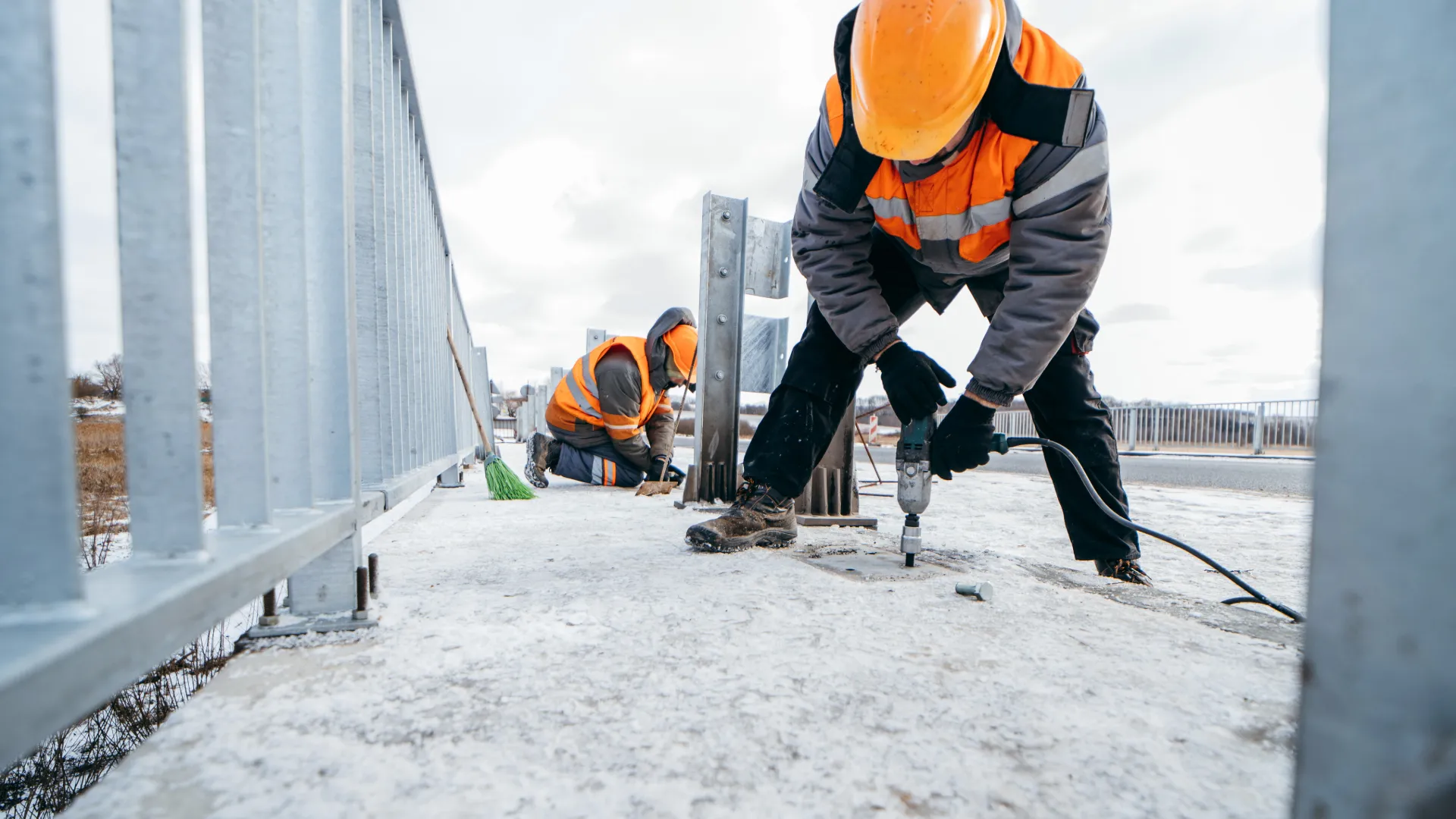
Projects move further into structural phases, outdoor cutting becomes more common, and dry weather creates better conditions for certain activities. This can mean longer periods of exposure to noise from tools such as grinders, saws, and cutting equipment.
Because these tasks are so routine, they can sometimes become normalised.
Workers may carry out short-duration noisy tasks repeatedly throughout the day without fully recognising the cumulative exposure. Even if individual jobs seem brief, repeated exposure still increases risk over time.
Machinery Exposure is Often Underestimated
Noise risks are not limited to handled tools. Long-term exposure to machinery, plant, generators, compressors, and site vehicles can also affect heating, particularly where workers spend extended periods close to operating equipment.
This is where monitoring and site awareness become important.
Hearing Damage is Usually Preventable
One of the biggest issues with noise exposure is that hearing loss cannot be reversed.
Once damage has occurred, it is often permanent.
Workers may initially notice ringing in the ears, difficulty hearing conversations clearly, or struggling to distinguish speech in noisy environments. Over time, this can progress into long-term hearing loss that affects both work and daily life.
The problem is that symptoms often develop slowly. Because the change is gradual, workers may not realise the extent of the issue until significant damage has already occurred.
PPE Compliance Can Become More Difficult in Hot Weather
Summer conditions can create additional challenges around hearing protection.
Ear defenders and hearing protection can be uncomfortable during hot weather, particularly during physically demanding tasks or long shifts. Workers may remove them temporarily to cool down, improve communication, or reduce discomfort. That is understandable, but it still creates risk.
Much like other forms of PPE, hearing protection only works properly if it is worn consistently during noisy activities.
This is where site management becomes important. If workers are repeatedly removing hearing protection, it may indicate that current arrangements need reviewing rather than simply enforcing compliance more strictly.
Choosing Suitable Hearing Protection Matters
Not all hearing protection is the same.
Some workers may prefer ear defenders, while others find earplugs more comfortable during warmer weather. The type of work also matters. In some environments, lighter and more breathable options may improve-comfort without reducing protection.
The goal is not simply to issue PPE, it is to provide hearing protection that workers can realistically wear properly throughout the task.
If the equipment is uncomfortable or impractical, compliance is naturally more difficult to maintain.
Noise Control Should Start Before PPE
Hearing protection is important, but is should not be the only control measure in place.
The Control of Noise at Work Regulations 2005 require employees to reduce noise exposure where possible, not just rely on PPE.
That may involve choosing quieter equipment, reducing the time workers spend around noisy activities, maintaining machinery properly, or separating high-noise tasks from other site operations.
Even relatively small changes can help reduce overall exposure.
Supervision and Awareness Still Matter
Noise risks are easy to ignore because the effects are not always visible immediately.
That is why supervision, toolbox talks, and worker awareness remain important, particularly during busy summer projects where outdoor activities and machinery use may increase.
Workers should understand:
- When hearing protection is required
- Why it matters
- What the early signs of hearing damage look like
- And how repeated exposure affects long-term health
Keeping those conversations active prevents noise from becoming just another accepted part of the site work.
Why This Matters for Construction Businesses
Noise exposure is one of those risks that can quietly become normal on construction sites if it is not reviewed properly.
But long-term hearing damage affects workers well beyond the project itself, and businesses still have a responsibility to manage those risks appropriately.
At Hurst Setter, noise exposure and occupational health risks are often reviewed as part of wider construction health and safety support. That includes looking at site activities, PPE arrangements, supervision, and whether existing control remain practical during different working conditions, including summer projects.
Good health and safety management is not just about preventing immediate accidents, it is also about protecting workers from the long-term risks that develop gradually over time.
Speak with our Safety Experts