Under the Construction (Design and Management) Regulations 2015 (CDM 2015), the client has a clear and legal role in how health and safety is handled on a construction project. This often comes as a surprise. We still regularly speak to clients who assume that once a contractor is appointed, safety is no longer their concern. CDM doesn’t work like that.
The regulations deliberately place duties on the client because, in most projects, that’s where the biggest decisions are made. Timescales, budgets, procurement routes and design choices all sit upstream, and they all have a knock-on effect on risk.
Who Counts as the Client Under CDM 2015
In simple terms, the client is whoever is having the work done. That could be a property developer, a commercial organisation, a landlord, or even a domestic client. If you’re commissioning construction work, CDM sees you as the client, regardless of whether you’re hands-on day to day.
On larger or more complex projects, the client is usually the party with the most influence over how the job is planned and resourced. That’s exactly why CDM assigns responsibilities at this level rather than pushing everything onto contractors.
Why The Client Role Actually Matters
From what we see on real projects, most problems don’t start on site. They start much earlier. Tight programmes, unrealistic budgets, or designs that haven’t fully considered how something will be built all tend to show up later as safety issues.
CDM is there to force health and safety into those early conversations. Not as paperwork for the sake of it, but as a way of reducing avoidable risk before anyone turns up with tools and machinery.
The Client’s Legal Duties in Practice
Under CDM 2015, clients are required to take reasonable steps to make sure health and safety is properly managed. “Reasonable” is important here. The level of input expected from a domestic client is very different to that of a commercial developer running multiple projects.
One of the key duties is making sure suitable management arrangements are in place. In real terms, that means allowing enough time for the work, making sure people aren’t being pushed to cut corners, and ensuring the project is planned and monitored in a way that makes sense for its size and complexity.
Where more than one contractor is involved, the client must appoint a Principal Designer and a Principal Contractor. These appointments need to be made in writing and early on. Leaving it too late is a common mistake. If these roles aren’t formally appointed, the client can end up legally carrying those responsibilities themselves, often without realising it.
Clients also have a duty to provide pre-construction information. This is one area where we regularly see gaps. Things like asbestos surveys, details of existing structures, underground services, ground conditions or previous site use can make a huge difference. When that information is missing or inaccurate, risks tend to get discovered the hard way, usually on site.
Before work starts, the client must also ensure there is a suitable Construction Phase Plan in place. This isn’t something to skim past. If there’s no plan, work shouldn’t start. Full stop.
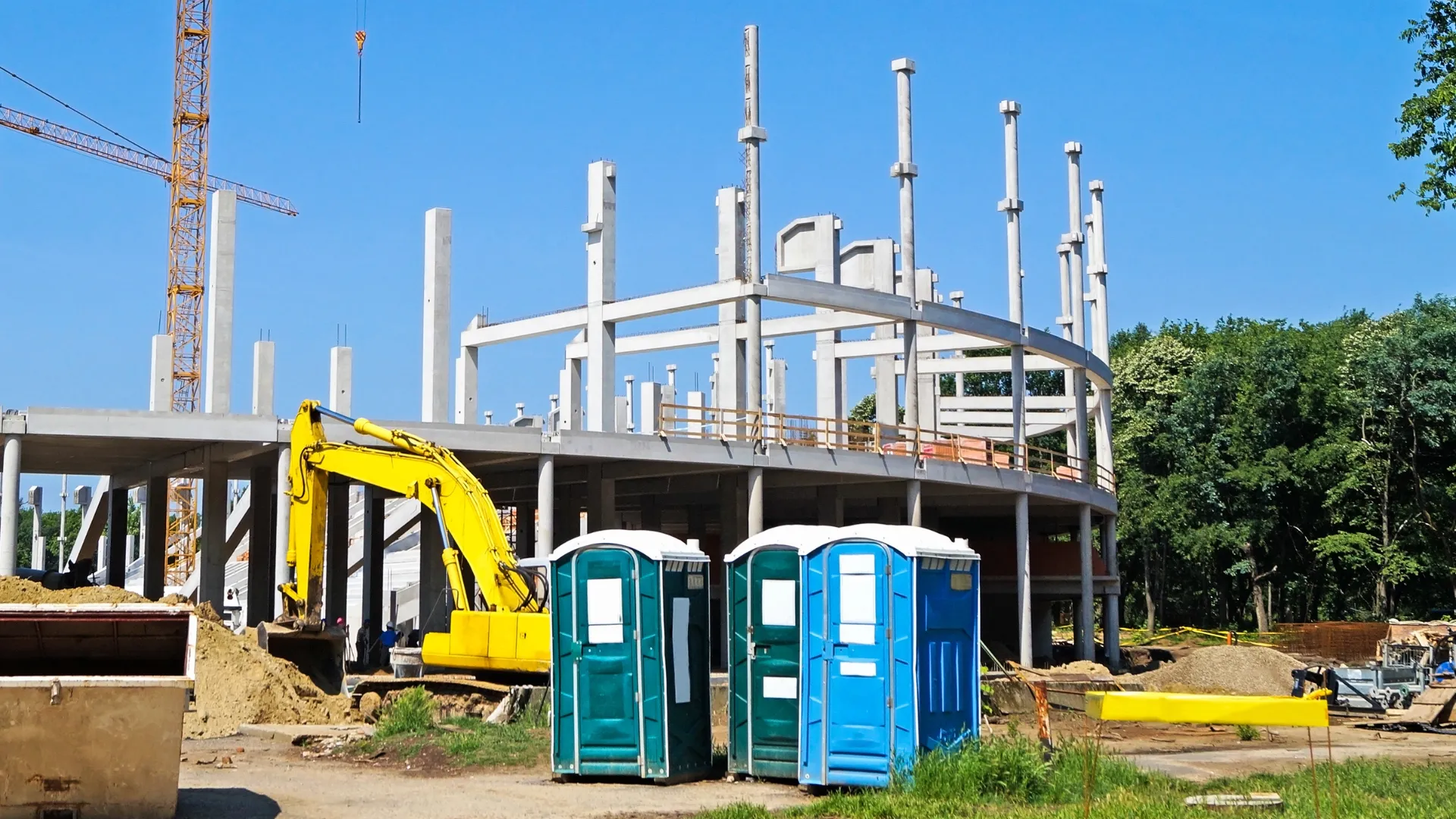
Welfare is another client responsibility that’s sometimes overlooked. Toilets, washing facilities, drinking water and somewhere to rest need to be available from day one, not added later once the site is up and running.
Finally, at the end of the project, the client must make sure a Health and Safety File is prepared and kept. This is often forgotten about, but it becomes invaluable when future maintenance, refurbishment or demolition work is planned.
What Happens When Clients don’t Comply
When client duties are ignored, the consequences can be serious. We’ve seen projects delayed because paperwork wasn’t in place, enforcement action taken by the HSE, and costs spiral when issues are picked up late.
Improvement and prohibition notices, prosecutions and reputational damage are all very real risks. One thing CDM makes clear is that responsibility can’t simply be handed off and forgotten about.
Common Mistakes we See from Clients
A few patterns come up again and again. Late appointment of duty holders is a big one. So is starting work before a Construction Phase Plan has been properly prepared. Unrealistic timescales are another, particularly where programmes are driven by commercial pressure rather than practical reality.
Perhaps the most common issue is the assumption that contractors hold all the responsibility. CDM doesn’t support that view, and the HSE certainly doesn’t either.
How Hurst Setter Supports Clients
We work with clients at all stages of a project, often from the very start, to help them understand and meet their CDM duties without turning it into a box-ticking exercise.
That can include acting as a client CDM advisor, helping with duty holder appointments, reviewing competence, preparing and reviewing pre-construction information, auditing Construction Phase Plans and monitoring compliance once work is live on site. Where needed, we also liaise directly with the HSE.
The aim is always the same: keep projects compliant, practical and proportionate, while reducing risk for everyone involved.
The client role under CDM 2015 isn’t optional and it isn’t symbolic. When it’s taken seriously from the outset, projects tend to run more smoothly, safely and predictably. When it isn’t, problems usually follow.
Speak with our Safety Experts