Construction health and safety is shaped by several key UK regulations. Most businesses are aware of them. Fewer are completely confident in how they apply day to day on-site.
And that’s usually where things become unclear.
The legislation itself rarely changes how work is done. What matters is how those duties translate into real site activity, documentation, and decision-making. For construction companies, understanding the intention behind these regulations often makes compliance far more straightforward.
Below are some of the main pieces of legislation that influence construction health and safety, along with how they apply in practice.
Health and Safety at Work etc. Act 1974
The Health and Safety at Work etc. Act 1974 forms the foundation of workplace safety legislation in the UK. It sets out the general duty for employers to protect the health, safety, and welfare of employees, as well as anyone affected by their work.
Put simply, this is the legislation that lies behind everything else.
In construction, this duty applies to how sites are managed, how risks are controlled, and how workers are protected during day-to-day activities. It covers everything from safe access routes and welfare facilities to supervision, training, and safe working procedures.
For many construction businesses, the Act shapes the overall approach to safety rather than individual tasks. It’s about ensuring work is properly planned, risks are considered, and systems are in place to protect those on site.
This is where structured health and safety support becomes useful. At Hurst Setter, this often involves helping businesses build practical safety management systems that align with these broad legal duties while remaining workable in real site environments.
CDM Regulations 2015
The Construction (Design and Management) Regulations 2015 are specific to construction work. They define roles and responsibilities across a project, including clients, designers, contractors and principal contractors.
In reality, CDM is about planning work safety before it starts and maintaining coordination throughout the project.
These regulations require more risks to be considered during the design stage, clear responsibilities to be assigned, and suitable arrangements to be in place for managing safety on site. They also require adequate welfare facilities and competent duty holders.
On construction sites, CDM influences how projects are structured from the outset. It affects pre-construction information, construction phase plans, and ongoing coordination between contractor.
For many businesses, managing CDM responsibilities alongside project delivery can become time-consuming. This is often where external support is brought in to assist with documentation, coordination, and ensuring duties are being met without adding unnecessary complexity.
Management of Health and Safety at Work Regulations 1999
These regulations build on the Health and Safety at Work Act and introduce more specific requirements around risk management.
They require employers to carry out risk assessments, implement control measures, provide training, and appoint competent persons to help manage health and safety.
On construction sites, this connects directly to risk assessments, method statements, and how hazards are controlled before work begins. It also influences emergency planning, supervision, and communication across teams.
For many projects, these regulations sit behind the RAMS process. They ensure risks are considered properly rather than relying on generic documentation.
In practice, this is often where businesses benefit from guidance. Ensuring risk assessments reflect real site conditions rather than standard templates can make a significant difference to both compliance and safety.
Work and Height Regulations 2005
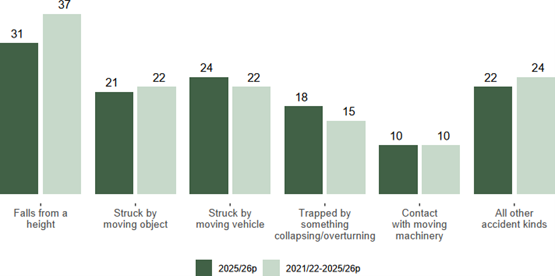
The Work at Height Regulations apply to any work where a fall could result in injury. In construction, that covers a large proportion of activities.
This includes working on scaffolding, ladders, roofs, platforms, and even areas where there is a risk of falling into openings or excavations.
The regulations require work at height to be properly planned, supervised, and carried out by competent people. They also prioritise avoiding work at height where possible and using suitable equipment where it cannot be avoided.
On construction sites, this often influences scaffold design, edge protection, ladder use, and safe access arrangements.
But is also affects planning. Sequencing work to reduce time spent at height, ensuring equipment is inspected, and confirming workers understand safe procedures all fall under these duties.
his is an area frequently reviewed during site inspections and audits, particularly on projects involving multiple contractors.
PUWER 1998
The Provision and Use of Work Equipment Regulations 1998, commonly referred to as PUWER, cover equipment used at work.
In construction, this includes power tools, plant, machinery, and site equipment. The regulations require equipment to be suitable for the task, properly maintained, and used by trained operators.
They also require appropriate guarding, controls, and inspection regimes.
On-site, PUWER connects directly to daily equipment use. From angle grinders and drills through to large machinery, these regulations ensure equipment does not introduce unnecessary risk.
Documentation such as inspection records, maintenance logs, and training evidence all link back to PUWER requirements.
This is often an area where small gaps appear over time, particularly as equipment moves between sites or multiple teams use the same tools.
LOLER 1998
The Lifting Operations and Lifting Equipment Regulations 1998 apply to lifting activities and lifting equipment.
This includes cranes, hoists, lifting accessories, and in many cases, excavators used or lifting operations. The regulations require lifting activities to be properly planned, supervised, and carried out safely.
They also require thorough examinations at specified intervals.
On construction sites, LOLER influences lifting plans, appointed persons, and how lifting operations are coordinated. It also connects to inspection records for chains, slings, and lifting accessories.
Even relatively small listing activities can fall under LOLER, which particularly helps reduce risk and demonstrate compliance with these requirements.
COSHH 2002
The Control of Substances Hazardous to Health Regulations 2002 relate to exposure to hazardous substances.
Construction environments regularly involve materials that fell under COSHH, including dust, cement, adhesives, solvents, paints, and sealants.
These regulations require risks to be assessed and appropriate control measures to be implemented. This may include ventilation, dust suppression, PPE, or safe handling procedures.
On-site, COSHH connects directly to tasks such as cutting materials, mixing compounds, or using chemical products.
Dust exposure, particularly silica dust, is one of the most common risks covered by COSHH in construction.
Managing these risks typically involves a combination of planning, equipment, and worker awareness.
RIDDOR 2013
The Reporting of Injuries, Diseases and Dangerous Occurrences Regulations 2013 require certain incidents to be formally reported.
This includes serious injuries, fatalities, dangerous occurrences, and certain work-related illnesses.
In construction, RIDDOR applies when incidents such as falls from height, structural collapses, or significant equipment failures occur. It also includes over seven-day injuries.
The purpose of RIDDOR is not only reporting. It helps identify patterns and improve safety across the industry.
For construction businesses, understanding when incidents must be reported is important. Incorrect reporting, or failure to report, can lead to compliance issues.
Clear incident management processes help ensure events are recorded, reviewed, and reported where required.
Bringing the Regulations Together
These regulations rarely operate in isolation. On most construction sites, several apply at the same time.
A single task involving lifting equipment at height, using powered tools, and working with hazardous materials could involve CDM, Work at Height, PUWER, LOLER and COSHH together.
That’s why health and safety management in construction is often about coordination rather than focusing on one regulation at a time.
For growing businesses, keeping track of how these requirements apply across multiple sites can become increasingly complex.
This is where structures support and regular review can help ensure systems remain practical, complaint, and aligned with how work is actually carried out.
Speak with our Safety Experts