Summer Edition: Heat Stress, Hydration and Skin Cancer Prevention
26th June 2025
Introduction and Legal Overview
Welcome to the Summer Health & Safety Newsletter
As temperatures rise, construction workers face increased risks from heat stress, dehydration, and prolonged sun exposure. This newsletter provides essential guidance on how to stay safe and healthy on site, supported by UK legislation and industry best practices.
Legal Responsibilities for Employers
Under the Health and Safety at Work Act 1974, employers must ensure, as far as is reasonably practicable, the health, safety, and welfare of all employees—including those on construction sites.
The Workplace (Health, Safety and Welfare) Regulations 1992 require employers to maintain a reasonable temperature and provide adequate drinking water. For outdoor workers, protection from adverse weather—including heat and UV radiation—is essential.
The Management of Health and Safety at Work Regulations 1999 require employers to assess and manage risks, such as those from UV exposure and heat stress.
Why This Matters for Construction
Construction workers are particularly vulnerable to heat-related illnesses and skin cancer because they spend long hours outdoors, often wearing heavy PPE, and perform physically demanding tasks. Overexposure to the sun and heat can lead to serious health consequences, including heat exhaustion, heat stroke, and skin cancer.
Heat Stress – Understanding and Managing the Risk

What is Heat Stress?
Heat stress occurs when the body is unable to cool itself sufficiently, leading to symptoms such as fatigue, dizziness, nausea and, in severe cases, heat stroke- which can be life threatening. Construction workers are at heightened risk due to strenuous activity, heat protecting clothing, and prolonged exposure to the sun.
Legal Obligations and Risk Assessment
Employers must conduct regular risk assessments to identify heat stress hazards and implement controls. This includes evaluating the workplace environment, the nature of the work, and the vulnerability of specific employees (such as those with medical conditions or pregnant workers).
Control Measures for Heat Stress
- Remove or reduce sources of heat where possible. Use engineering controls such as fans, air conditioning, or physical barriers to reduce radiant heat from machinery.
- Limit work rate and length of exposure. Provide mechanical aids to reduce physical exertion and regulate the length of time workers spend in hot environments.
- Schedule work during cooler parts of the day. Adjust work hours to avoid the hottest times, typically between 10am and 3pm.
- Provide periodic rest breaks and rest facilities in cooler conditions. Ensure workers have access to shaded or air-conditioned rest areas.
- Use appropriate PPE. Consider breathable fabrics or specialised cooling PPE where possible.
- Training and awareness. Train workers to recognise the symptoms of heat stress and know emergency procedures.
- Allow workers to gradually adapt to hot conditions, especially new or inexperienced staff.
- Monitor health. Where residual risk remains, monitor the health of workers exposed to heat stress and seek advice from occupational health professionals.
Hydration – Essential for Safety and Performance
The Importance of Hydration
Hydration is critical for maintaining concentration, muscle function, and overall health. Dehydration can impair performance, increase fatigue, and raise the risk of accidents and heat-related illnesses.
Legal Requirements and Best Practices
- Provide unlimited access to clean, cool drinking water on site. Water stations should be conveniently located and regularly replenished.
- Encourage workers to drink before, during, and after work. Hydrating before starting the day helps maintain fluid balance, and regular sips throughout the day prevent dehydration.
- Aim for 8 ounces (about 240ml) of water every 15–20 minutes in hot conditions. However, do not exceed 48 ounces (1.4 litres) per hour to avoid overhydration.
- Avoid energy drinks and alcohol. These can contribute to dehydration and increase the risk of heat illness.
- Promote healthy eating. Regular meals help replace salts and electrolytes lost through sweat.
Signs of Dehydration
- Dry mouth and throat
- Dark yellow urine
- Fatigue and dizziness
- Headache and confusion
Workers should be trained to recognise these symptoms and encouraged to drink water regularly, even if they do not feel thirsty.
Skin Cancer and Sun Protection
 The Risk of Skin Cancer
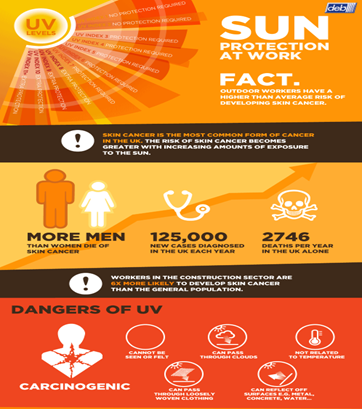
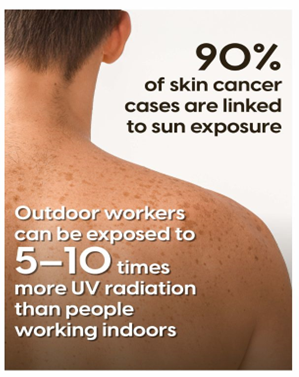
Skin cancer is the most common cancer in the UK, and construction workers are at particularly high risk due to prolonged exposure to UV radiation. Construction workers account for 44% of occupational skin cancer diagnoses and 42% of occupational skin cancer deaths each year—despite making up only 8% of the workforce.
Legal Responsibilities
Employers must assess and manage the risk of UV exposure as part of their health and safety obligations. While there is no legal requirement to provide sunscreen, employers must inform, instruct, and train employees about the risks and provide protective clothing where necessary.
Prevention Strategies
- Schedule outdoor work to avoid peak UV hours (10am–4pm). Use early starts and late finishes where possible.
- Provide shaded rest areas and encourage breaks in the shade. Erect temporary shelters or use existing structures to protect workers from direct sunlight.
- Supply UV-protective workwear. Long-sleeved shirts, trousers, wide-brimmed hats, and safety glasses with UV filters help reduce exposure.
- Promote the use of sunscreen (SPF30 or higher). Encourage workers to apply sunscreen regularly and provide it if possible.
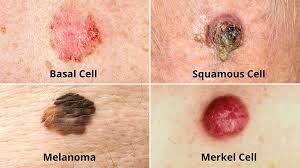
- Educate workers about the signs of skin cancer. Encourage regular skin checks and prompt reporting of unusual moles or changes.
- Use sun safety site boards. Initiatives like those from We Build the Future provide visual reminders of daily UV risk and practical advice for workers.
Industry Campaigns and Support
Charities such as We Build the Future, in partnership with Melanoma UK and Rainbow Signs, offer sun safety site boards with daily UV risk indicators and QR codes for further support. These boards are a clear and visual way to highlight the risk of sunlight and promote safe behaviours on site.
Key Takeaways and Action Points
Summary of Legal and Practical Guidance
- Employers must conduct risk assessments for heat, hydration, and UV exposure. These should be reviewed regularly, especially during summer months.
- Maintain a reasonable workplace temperature and provide adequate ventilation and cooling. Use engineering controls and schedule work to avoid peak heat.
- Ensure unlimited access to clean drinking water at all times. Encourage regular hydration and provide shaded rest areas.
- Protect workers from UV radiation. Use scheduling, protective clothing, sunscreen, and shade to reduce exposure.
- Train employees on the signs of heat stress, dehydration, and skin cancer. Promote a culture of safety and well-being through ongoing education and awareness campaigns.
Action Points for Employers and Workers
- Review and update risk assessments for summer hazards. Identify vulnerable workers and implement targeted controls.
- Ensure water stations and shaded rest aread are available and accessible. Regularly check and replenish water supplies.
- Provide UV-protective clothing, sunscreen, and hats. Encourage their use and make them readily available.
- Implement a sun safety policy. Use site boards, toolbox talks, and training sessions to promote awareness.
- Monitor workplace conditions and employee health. Be vigilant for signs of heat stress, dehydration, and skin changes, and act promptly if concerns arise.
- Encourage workers to report health concerns. Foster an open culture where workers feel safe to speak up about symptoms or hazards.
- Stay informed about industry initiatives. Support campaigns such as We Build the Future’s sun safety initiative and use available resources to enhance site safety.
Final Points
- No Maximum Temperature Law: UK law does not specify a maximum temperature for outdoor work, but employers are required to manage risks from extreme heat and sun exposure as part of their general duty of care under the Health and Safety at Work Act 1974 and the Workplace (Health, Safety and Welfare) Regulations 1992.
- Enforcement and Fines: The Health and Safety Executive (HSE) has the authority to issue enforcement notices and prosecute companies that fail to manage workplace risks, including those from heat and sun exposure. While there are high-profile cases of construction companies being fined for other health and safety breaches (such as unsafe excavations or water-related incidents), there are no prominent publicized fines specifically for failing to manage heat stress or sun protection.
- Recent Focus: The HSE and industry bodies have increasingly highlighted the importance of managing heat and sun risks, especially after record-breaking summers and rising skin cancer rates among construction workers. The HSE has called on employers to take action and has seen a surge in advice-seeking related to hot weather.
- Potential for Compensation: If an employer neglects their duty of care and a worker suffers harm from heat stress or sun exposure, the worker may have grounds for a compensation claim. However, actual prosecutions and fines specifically for these issues are rare in the public record.
Stay Safe This Summer!

Speak with our Safety Experts